
In a new book, artist Eileen Turner weaves together nature writing, memoir and local history
– all rooted in the landscapes of the Derwent Valley. Part journal, part love letter to the countryside, it gives a fascinating glimpse into the natural world, as Fiona Stubbs discovers
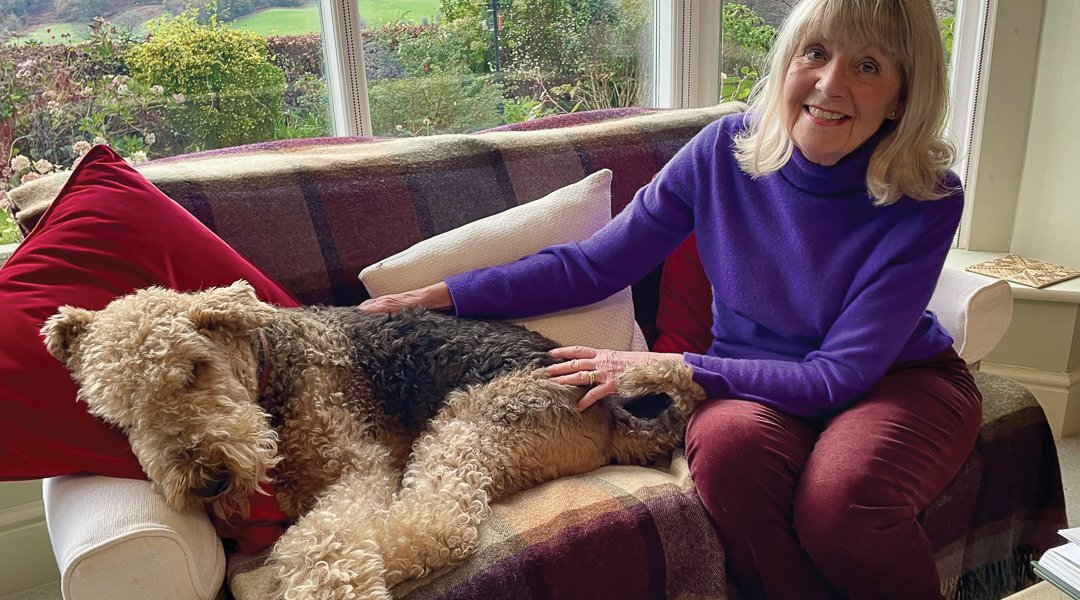
This is my inspiration,” smiles Eileen Turner as she gestures to the breathtaking landscape beyond her sitting room window,
Lush, wooded hillsides of native trees sweep across the Derwent Valley, feeding the creativity of professional wildlife artist Eileen throughout the seasons.
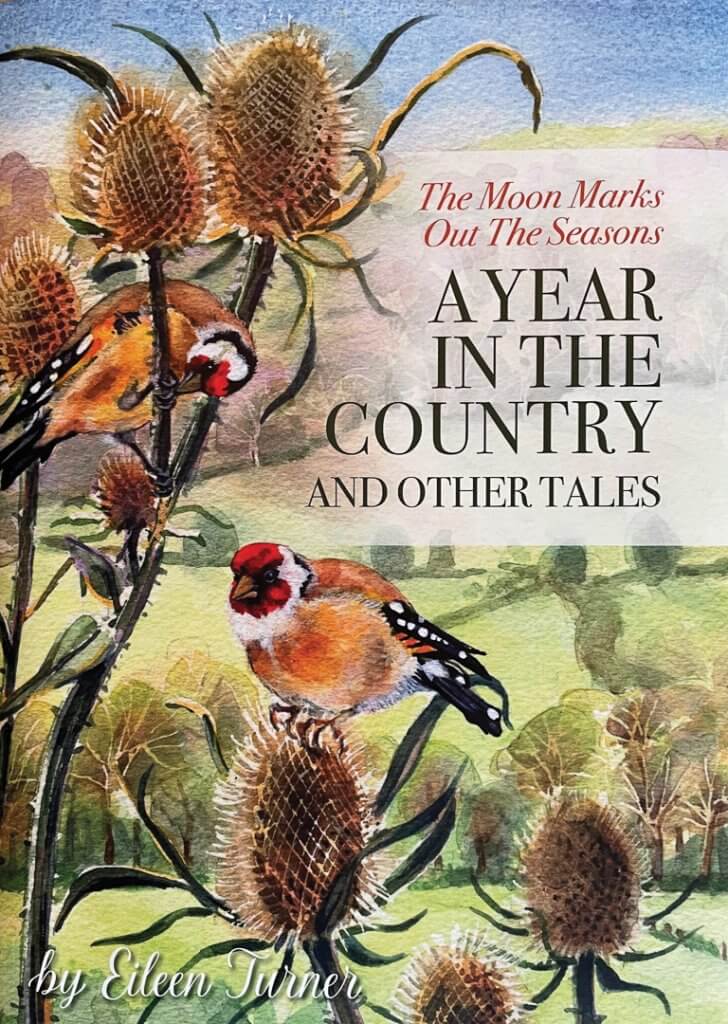
Now, her lifelong love of nature is reflected in words and illustrations in her newly published book, The Moon Marks Out the Seasons – A Year in the Country and Other Tales.
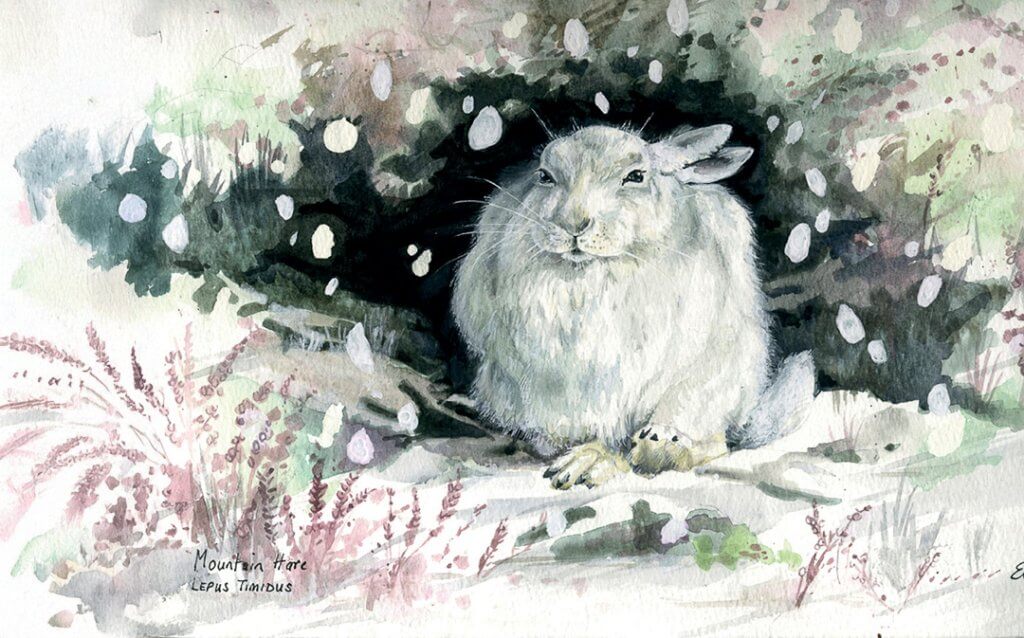
“It’s a journal of my walks throughout the months of a year,” explains Eileen. “As I walk across open fields and high in the hills, I often have the most wonderful experience, discovering nature and witnessing how the light affects the landscape.”
Eileen guides the reader through the triumphs and challenges of the natural world, with particular reference to her personal favourites, the brown hare and songbirds.
Her love affair with hares began when she lived in the Peak District. “Hares became predominant in my work when my husband John and I were living in the wilds of the Staffordshire Moorlands,” she says. “We had baby hares in the garden – it was absolutely magical.”
Nature preservation is close to her heart and her concern for songbirds – with many species experiencing a drastic decline in population – is a running theme throughout the book.
Eileen grew up in South Wingfield and recalls: “As a child, my grandmother took me on many walks into the countryside where she would point out the different wildflowers, giving them their old country names.
“My father was passionate about nature, mainly the birds and animals. He would also take me on walks, pointing out the different kind of birds. He could see things that were well hidden and taught me to use my eyes to see beyond the superficial. We would sit outside in the garden at dusk and listen to the sounds of the night coming on – owls, bats and foxes; the snuffle of a hedgehog making its way across the lawn.
“I feel a responsibility to share what I’ve learned about nature during my life,” says Eileen. “I just don’t want that knowledge to disappear.”
“I became acutely aware of my surroundings in the natural world and developed a deep understanding of how creatures co-exist alongside humans.”
Eileen has always painted but began to pursue her craft professionally 25 years ago after leaving her previous career in the Civil Service, developing a style often reminiscent of folk art.
Folklore and tradition are also key elements of the book, featuring strongly as ‘other tales’.
“I’m fascinated by folklore and tradition,” reveals Eileen. “I fear that people are so glued to their phones now that old customs are disappearing. People lose contact with nature and their surroundings, becoming unaware of the presence of the past in the area where they live.”
The past is certainly all around Eileen’s home in the Derwent Valley, which she shares with her husband John and their two Airedales, Dylan and Tweedie. In certain light, she can still make out the outline of Medieval ridge and furrow farming in nearby fields while, a short distance downstream, is the Derwent Valley Mills UNESCO World Heritage Site, recognised as the birthplace of the factory system during the Industrial Revolution.
The area is steeped in local history, made famous by former local residents such as Florence Nightingale and Sir Anthony Babington, with his connection to Mary Queen of Scots who was imprisoned at South Wingfield Manor.
“I feel a responsibility to share what I’ve learned about nature during my life,” says Eileen. “I just don’t want that knowledge to disappear.”
The title of the book was partly inspired by Psalm 104 in the Bible.
The moon marks off the seasons
And the sun knows when to go down
You bring darkness, it becomes night
And all the beasts of the forest prowl.
“Psalms are poems written thousands of years ago,” explains Eileen. “The way this one is written is so beautiful.”
While the view from Eileen’s sitting room is stunning, she says it is even more mesmerising from her studio upstairs.
“Every day, when I sit at my desk to paint, I look at that view and I can’t believe that I live here,” she says. “The front cover of the book is the view from my studio window. Every month of the year is beautiful and I just want to share it.”
She adds: “I hope my writing will inspire people to enjoy the natural world and its creatures in a meaningful way in order to help safeguard wildlife and songbirds and help their survival in the future.”
• The Moon Marks Out the Seasons – A Year in the Country and Other Tales is published by Bannister Publications and is available, priced £25, from Scarthin Books at Cromford or by emailing turnerart@btinternet.com