
For many, the first month of the year is the most challenging.
Dark mornings and evenings, financial stress after festive spending, the pressure to start – and keep – new resolutions. The list goes on. But what if we could find comfort – and even enjoyment – in January, instead of just wishing it away?
Fiona Stubbs asks wellness and wellbeing experts how we can not only survive but thrive throughout this longest of months.
Food for thought
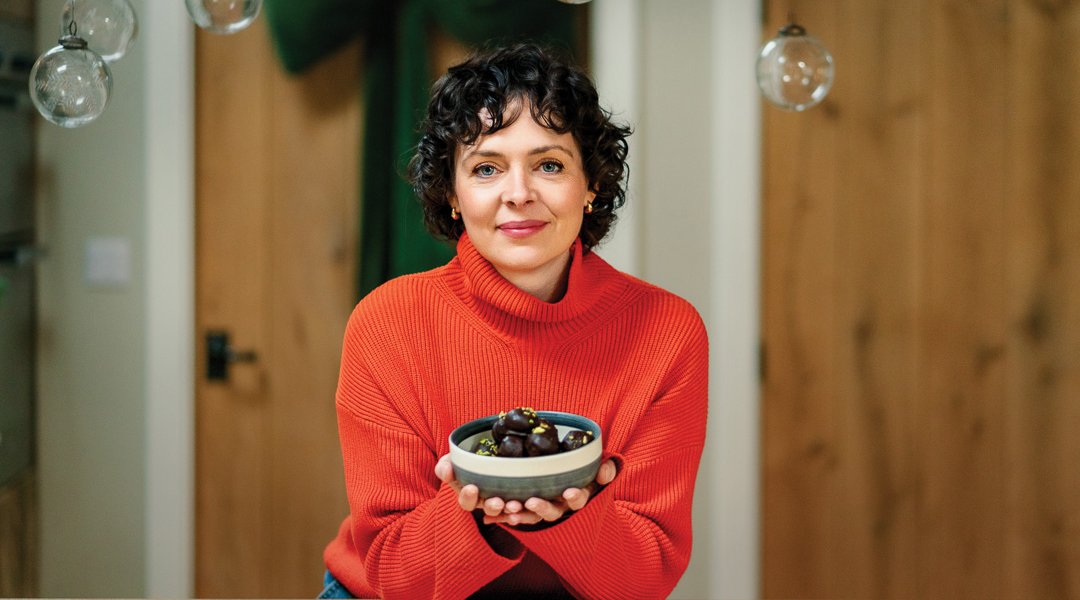
Jo Bibby is a nutritional wellness coach and founder of The Energised Woman, supporting busy women to overcome exhaustion and overwhelm through simple habits

“Nutrition and rest are so connected. Winter is a time to be really kind to yourself – I wouldn’t advise anything radical in January.
“There’s no need to suddenly give up certain foods or feel bad about yourself for indulging over Christmas. It’s ok to have times of celebration and feasting without guilt and enjoying connections with others is an important part of wellbeing.
“If you’re feeling a bit sluggish and rundown in January, you could look to make some little tweaks to your diet. I like to focus on what you can add rather than take away. What foods will help you to feel your best again? It’s a more positive mindset.
“Think about your gut health, which impacts every area of wellbeing, including energy and mood. Your gut loves plants, so check out a range of seasonal fruit and vegetables along with pulses, nuts and seeds. When you eat seasonally, it’s generally cheaper and more sustainable.
“It’s also important to make sure you get enough balance in each meal – carbohydrates, protein and healthy fats. Having that balance will keep you full and energised. January is a good time to stay at home and experiment with cooking nice things like soups.
“During winter, we naturally feel the need to rest more – and we should give ourselves permission to slow down. Resting supports the digestive system – if we’re busy and stressed all the time, our bodies don’t absorb nutrients as effectively.
“However, it’s important not to withdraw completely. It’s good for us to do some gentle exercise in winter – whichever works best for you. Try to get outside for half an hour every day and make time for positive connections with others.”
A holistic approach
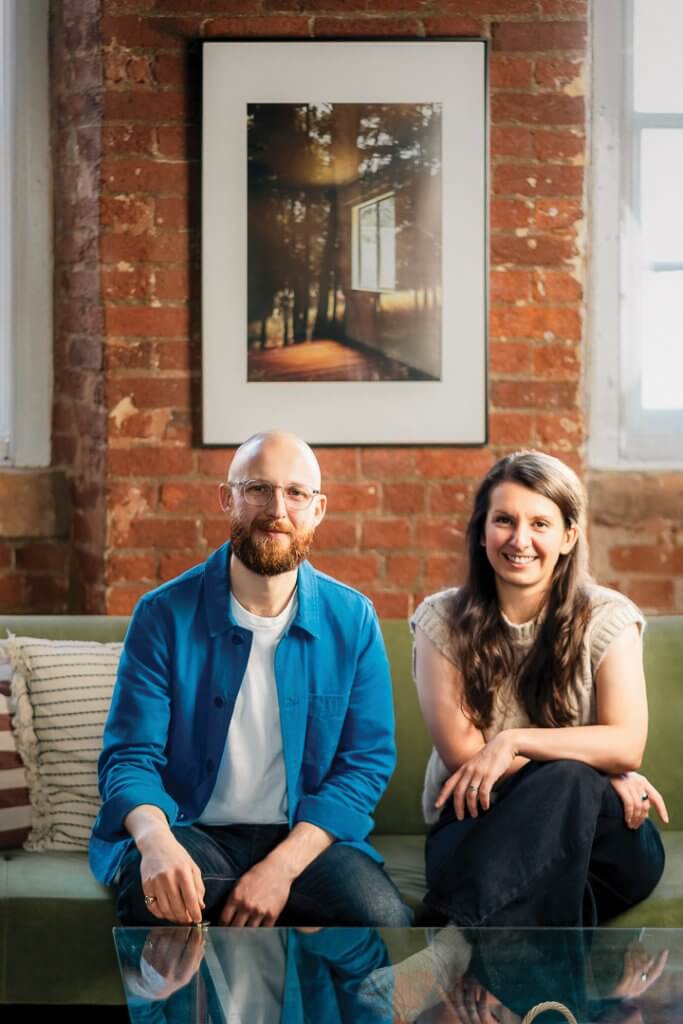
Bronwyn Benstead is a somatic coach and, with Kevin Karaca, co-founder of Folc Studio, a social enterprise supporting people to cultivate physical, mental and emotional wellbeing. It runs movement and mindfulness classes like yoga, pilates and group gatherings, all focused on connecting people to self, to others and to new ideas
“For most of human history, our lives were shaped by the seasons. Winter was never meant to be a time of pushing or striving. The harvest was over, the fields didn’t need tending and shorter days meant it was a natural pause.
“So, when January arrives and the world insists we reinvent ourselves, it’s no surprise we struggle. While “New Year, New Me” is everywhere, it isn’t a rule. We can approach this time of year with care. Working with the natural rhythms rather than against them.
“Somatic coaching uses body-based practices alongside reflective coaching to help you understand your emotions, release tension, regulate stress and make authentic decisions for lasting change.
“A few things you can try include:
Notice the little things
Look for moments to be mindful. That could be noticing the warmth of the sun on your skin, tuning into birdsong, or taking three slower, deeper breaths. These tiny pauses help anchor you in the present and create pockets of calm.
Swap resolutions for rituals
Let go of grand declarations and choose small, repeatable acts that nourish you. A simple ritual holds far more power than a pressured goal. This could be a weekly yoga class, a short stretch at home, or kicking your shoes off and noticing how your feet connect to the ground.
Step outside, even briefly
A short walk or a breath of fresh air can settle the nervous system far more than we realise. There’s a lot of research about how nature has a way of steadying the mind and body. Movement, even if gentle, is proven to reduce stress hormones and promote joy.
“Remember, even little resets throughout the day compound to make a big difference in how you feel.”
A psychological perspective
Michelle Leeder is a registered psychotherapist, wellbeing practitioner and leadership consultant with over 20 years of experience working with individuals and teams in community, private and charity settings

“January can feel unexpectedly tough. After the brightness and bustle of the festive season, we’re suddenly met with darker mornings, long evenings and colder days. We may notice that this stark shift can impact our mood and energy levels.
“We know that reduced daylight in winter disrupts our circadian rhythms and can lower serotonin levels, which helps explain the heaviness some people feel. For some, this develops into Seasonal Affective Disorder (SAD), but many experience a milder, entirely normal seasonal dip.
“In amongst the doom and gloom of this new season, we can often overlook that winter itself offers an invitation to us.
“We are natural beings, influenced by the rhythms of the seasons even when modern life encourages us to push through them. Nature slows down, rests and conserves energy at this time of year – and we don’t need to resist that.
“Instead of striving for instant motivation or dramatic change, January can be a moment to soften into what the season is quietly asking of us: to restore, simplify and steady ourselves. Aligning with this seasonal pull can be grounding.
“There are some gentle, practical ways to care for yourself in winter while preparing for the gradual emergence of spring:
- Seek morning daylight, even for 10–20 minutes, to support mood regulation.
- Create warmth and comfort through cosy layers, nourishing meals and calm evenings.
- Move gently, choosing walks or stretching that energise without overwhelming.
- Rest intentionally, allowing for quieter nights and simpler routines.
- Simplify commitments to conserve emotional energy.
“Winter isn’t stagnation; it’s preparation. Caring for yourself now builds steady, sustainable energy for when the light returns.”