

Derbyshire’s independent cinemas have weathered war, television, and the rise of the multiplex. From Belper’s historic Ritz to Wirksworth’s boutique Northern Light Cinema, Charlotte Tait learns how these venues are thriving again—serving not just films, but a sense of home
For over a century, we have been telling stories through a screen. Originally a product of 19th-century scientific venture, cinema became a medium of mass entertainment and communication, and today it is a multi-billion pound industry.
‘Going to the pictures’ was one of the most popular commercial leisure activities in the first half of the 20th century, with UK cinema attendance growing significantly, peaking in 1946 with 1.6 billion recorded admissions, as quoted by historian, Sam Manning.
During the 1950s, however, a range of factors, including increased affluence, the growth of television ownership and the diversification of leisure activities led to rapid declines in attendance at cinemas.
By 1965, as outlined by Manning, admissions had plummeted to 327 million and, by 1984, cinema attendances in Britain had declined to one million a week. Many cinemas closed their doors and those that remained open competed with a range of venues including bingo halls, dance halls, bowling alleys, cafés and people’s homes.
The first British multiplex was built in 1985 and by the late 2000s there was a boom in out-of-town multiplex cinemas, with weekly attendees rocketing to three million per week.
Meanwhile, independent cinema has also enjoyed a revival … with audiences relishing the opportunity to enjoy a range of entertainment in an intimate and engaging environment.
The history of independent cinema is perfectly reflected in Derbyshire through The Ritz and Palace cinemas in Belper and The Northern Light Cinema in Wirksworth.
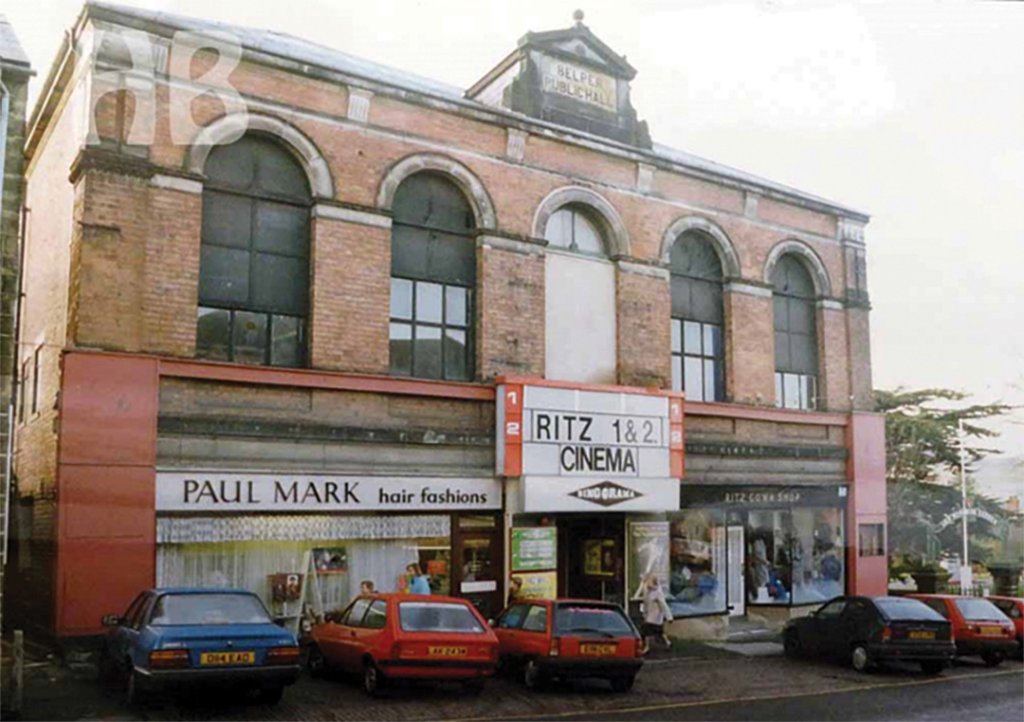
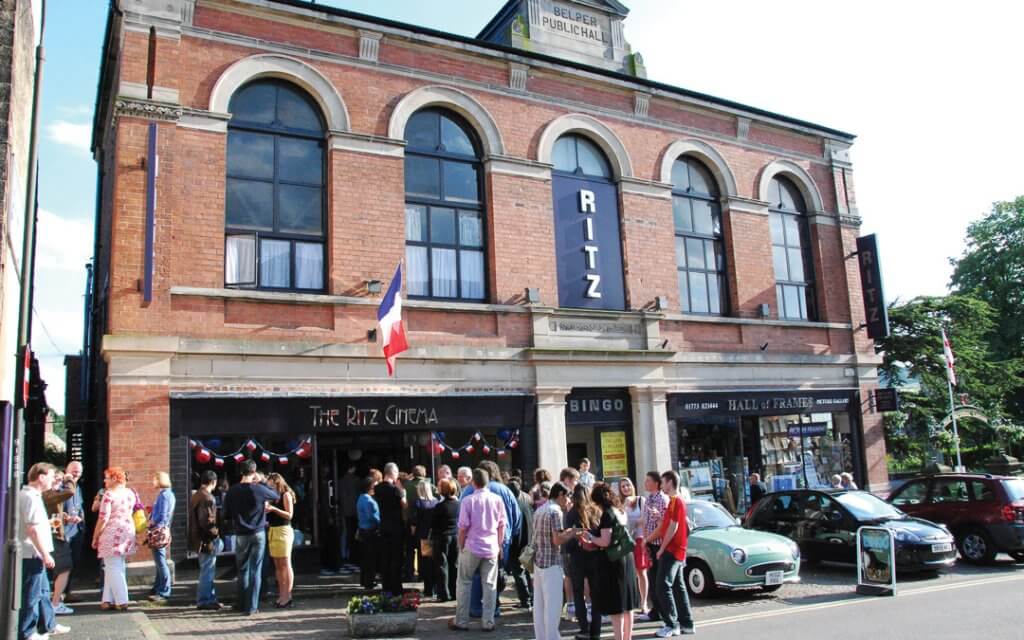
Originally built in in 1882 for £3,500 as Belper’s Public Hall, The Ritz was a municipal building used for a variety of purposes such as a court, library, theatre and meeting hall. In 1919, its purpose evolved, due to its wide expanse and significant seating capacity, to screen films part-time using a rear projection system.
This proved to be extremely popular as a result of its convenience and ‘one of a kind’ nature for Belper. Across the UK, the 1930s were dubbed as cinema’s ‘Golden Age’ with nearly all feature-length movies being presented with synchronised sound and often in full colour. So, the popularity of The Ritz was no surprise and, in 1935, it was converted into a full-time cinema, to accommodate 720 people.
It was officially reopened and named The Ritz, by its owners, the Morley family, who also owned its twin venue just half a mile down the same street.
The Belper Picture Palace had opened in 1914 with seating for around 850 people. By 1934, it was re-named the Palace Cinema and equipped with a Western Electric (WE) sound system.
The Ritz and Palace were the first town cinemas in the country to be twinned, offering the approximately 1,181 residents of Belper two venues to enjoy a Friday night ‘at the pictures’ from 1935.
“As multiplexes emerged and continued to encourage new interest in cinema, opportunities for independents also grew.”
By 1954, both had been sold and taken over by the Leeds-based Star Cinemas chain. Palace Cinema was closed in 1960 and demolished shortly after in July 1962 with a retail unit taking its place.
Similarly, The Ritz was undergoing some key changes to remain in operation. In 1971, it was converted into a twin-screen cinema with some of the former stalls being converted into a bingo club. Each screen now had 75-seats, a significant reduction from the previous 720 attendees it used to host in one sitting. In October 1991, it was taken over by Silverline and shortly after closed.
The Wirksworth Cinema was opened on St John’s Street in March 1935 by Billy Alton and featured a 525-seat venue along with the 120-seat Cavendish Café and Dance Hall.
The cinema closed in 1960 but was soon re-opened under new owners before finally closing its doors in 1967 with the showing of ‘Daleks Invasion Earth 2150.’ It was converted into a Silverline Bingo Club.
As multiplexes emerged and continued to encourage new interest in cinema, opportunities for independents also grew.
In November 2006 The Ritz in Belper was taken over by new operators, co-owners Amanda Mundin and Neil Roberts and their family. The circle was reverted back to a single auditorium, with bingo continuing downstairs.
The Ritz became the first town cinema in the East Midlands to re-open. Amanda and Neil, alongside their children, invested in The Ritz due to their love of film and the desire to provide Belper with a convenient and highly popular film venue again.
Today, The Ritz has seating for 99 people, with a mix of seating including luxury seats and sofas. It has a fully licenced bar, which serves coffee, tea, home-made cakes and other classic cinema confectionary, like popcorn.
The former cinema venue in Wirksworth has never been reinstated in line with its former purpose as the building was used as Stones of Wirksworth builders’ merchant and hardware store until 2022.
However, the town’s former cinematic glamour was reinstated with the founding of the Northern Light Cinema in 2013. This new cinematic space was created by Paul Carr and Esther Patterson, who converted the former Weston’s electrical showroom in The Malthouse to create the space. Seating 52 people, the cinema has provided valuable local access to culture and entertainment in Wirksworth, as well as much needed employment, with 2019 seeing over 18,000 tickets sold. In 2023, the venue was taken over by The Ritz’s owners, Amanda and Neil, growing their family business of managing and reinstating former film venues.
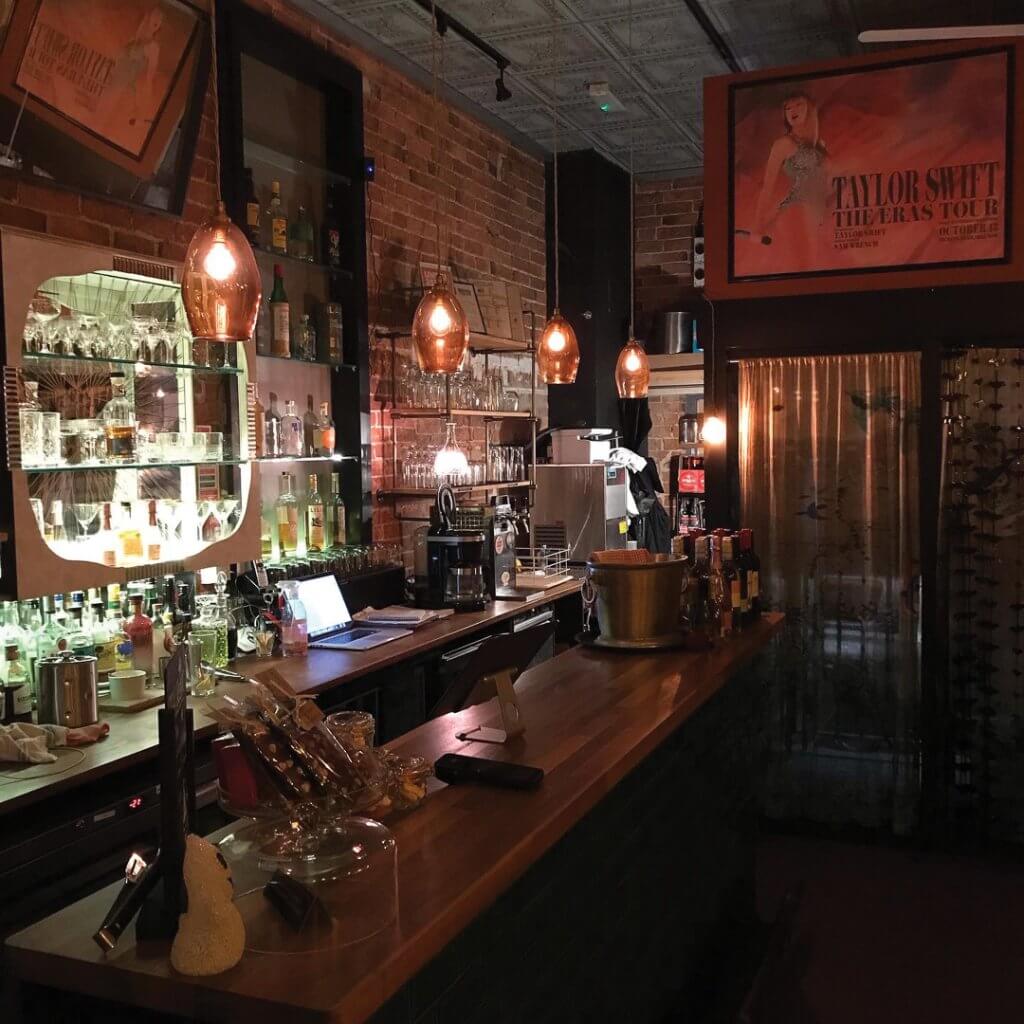
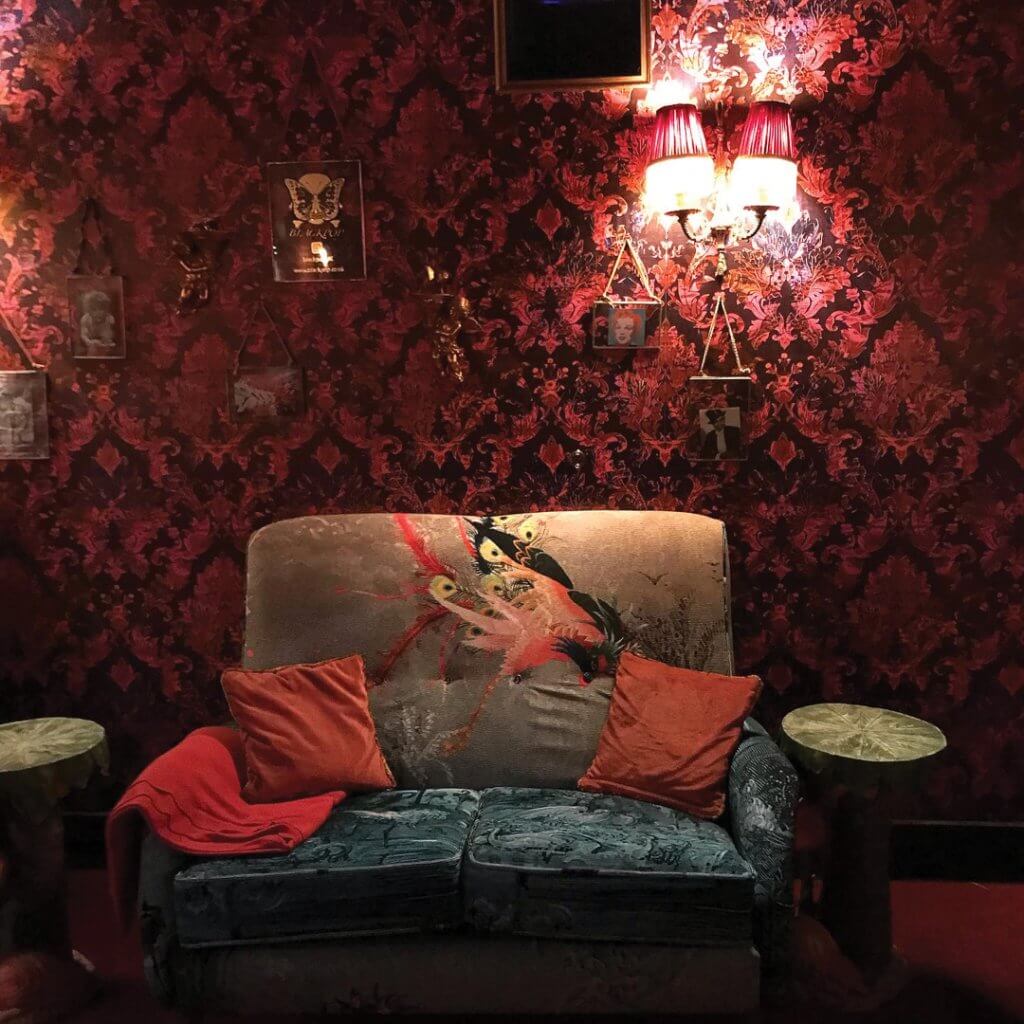
Both Pictures courtesy The Northern Light Cinema
Both The Ritz and The Northern Light show a wide selection of films both old and new to cater for all audiences and bring an element of nostalgia to those who visit. Both venues are easily accessible to those who live in local towns. The fresh homemade cake, glass drinkware and ceramic crockery, coupled with sofas and luxury seating, make you feel as though you are popping round to your friend’s for a cup of tea, cake and a film – but on the big screen! This personalised and ‘homey’ aspect of cinema is a testament to its popularity still today.