
The mood-boosting benefits of time spent outdoors are widely recognised.
Now, research commissioned by the National Garden Scheme shows that the improvement is even more marked during winter months.
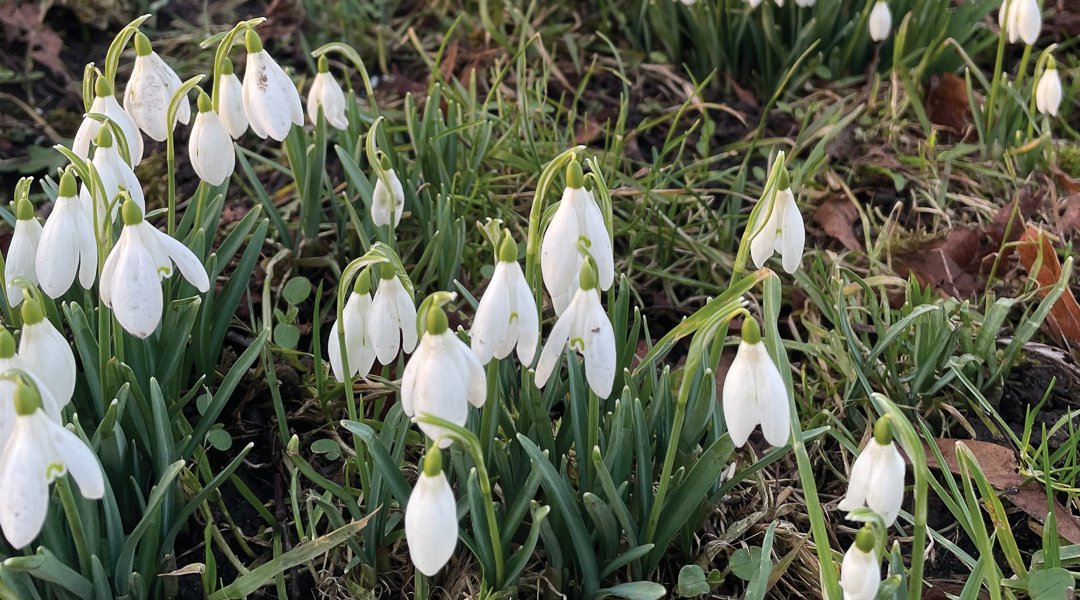
Snowdrops are a welcome sight in the late winter, reminding us that spring is just around the corner, while hellebores, aconites and flowering shrubs are appearing too.
Many NGS members are opening their gardens in February and March – raising money for health and nursing charities.
The Old Vicarage in Middleton-by-Wirksworth opens on Saturday 7th and Sunday 8th February (11am to 3pm). This country-style garden also boasts an indoor fernery where you can enjoy hot drinks and cakes.
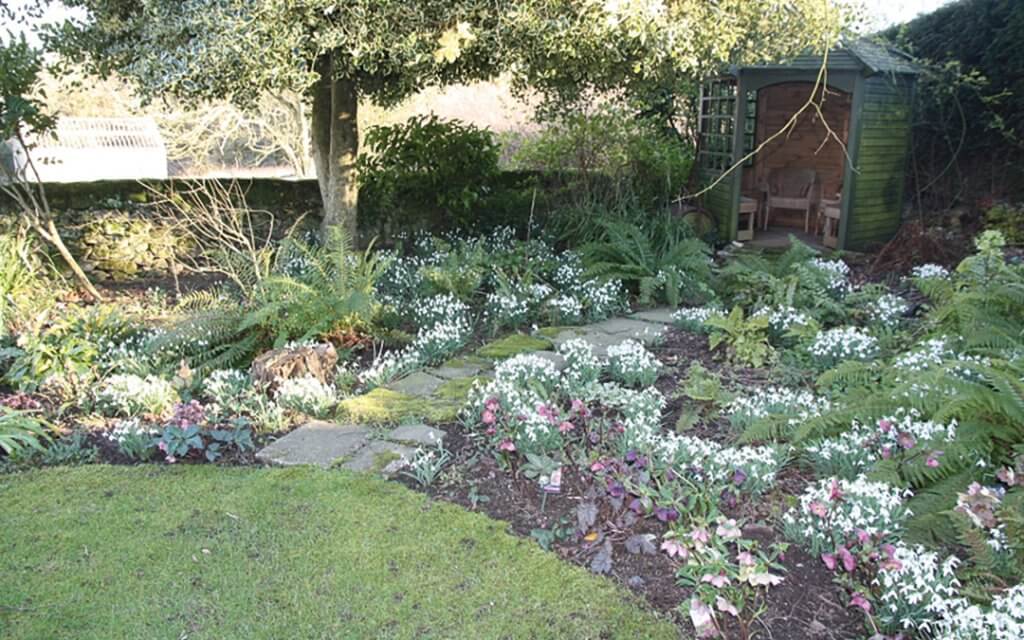
Fern Bank in Wirksworth opens on Sunday 8th March (11am to 4pm). Set in a small former quarry, it features lots of spring flowering bulbs.
NGS Chief Executive Dr Richard Claxton says: “Getting out into a garden or green space in the winter is a fabulous way to boost depleted energy levels.
“Not only does being outside help reduce stress levels and blood pressure but it’s also when your vitamin D is at its lowest, making winter sunshine hugely beneficial. Whatever the weather, wrapping up warm and enjoying the first delicate signs of spring – and enjoying them with others – is a real tonic after the long dark days of winter.”
• To explore more gardens open for the Snowdrop Festival in Derbyshire and further afield head to the National Garden Scheme website at www.ngs.org.uk
Snowdrop factfile
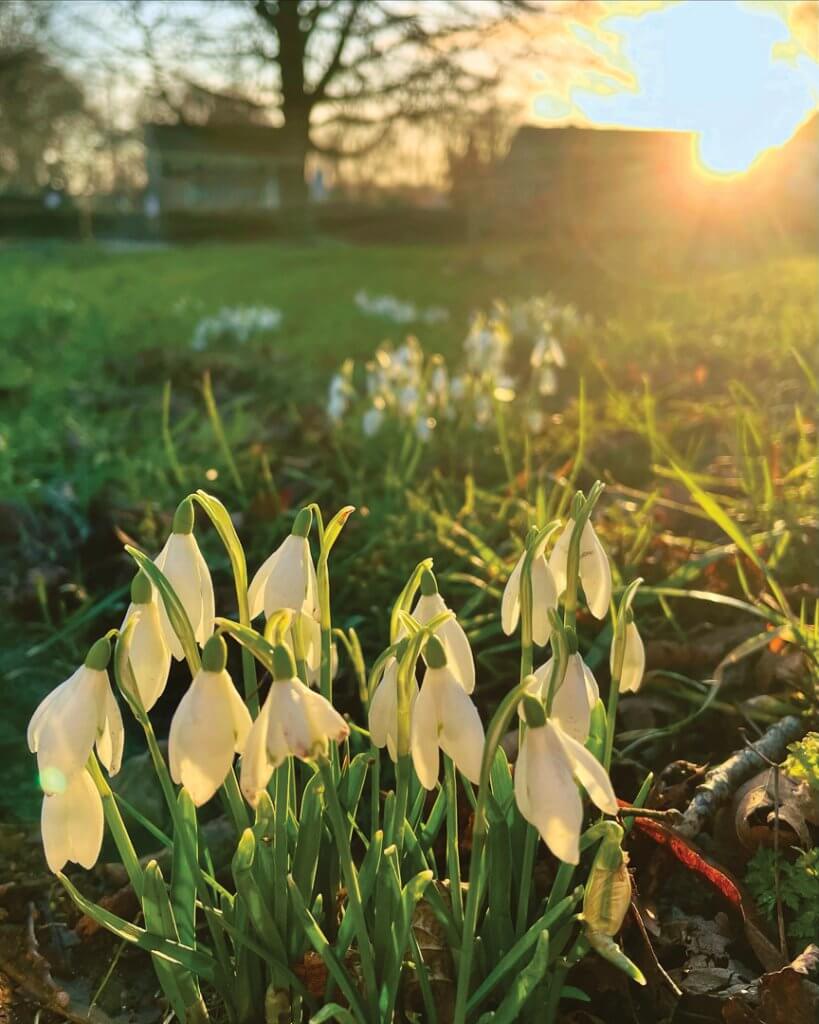
- Snowdrops normally flower in January and February and are often found in woodland, along riverbanks, in parks, gardens, meadows and scrub.
- They have become associated with the change in seasons and a sign that warmer weather is on the way – and as a symbol of hope for better times ahead.
- The snowdrop’s native range is mainland Europe.
- It’s believed that snowdrops were introduced to the UK as an ornamental garden plant as early as the 16th century.
- They were not recorded in the wild until the late 18th century.
- The flower has a long association with the Christian festival of Candlemas and was often used to decorate churches during the celebration. This earned it the alternative name of Candlemas Bells.
Hopton Hall, near Wirksworth, hosts its annual Snowdrop Walk throughout February.
The 1.25-mile walk through the grounds, rich in snowdrops, takes around 45 minutes to complete. A quicker route is available for those who prefer a shorter walk. For more details visit: https://www.hoptonhall.co.uk/the-snowdrop-walk