
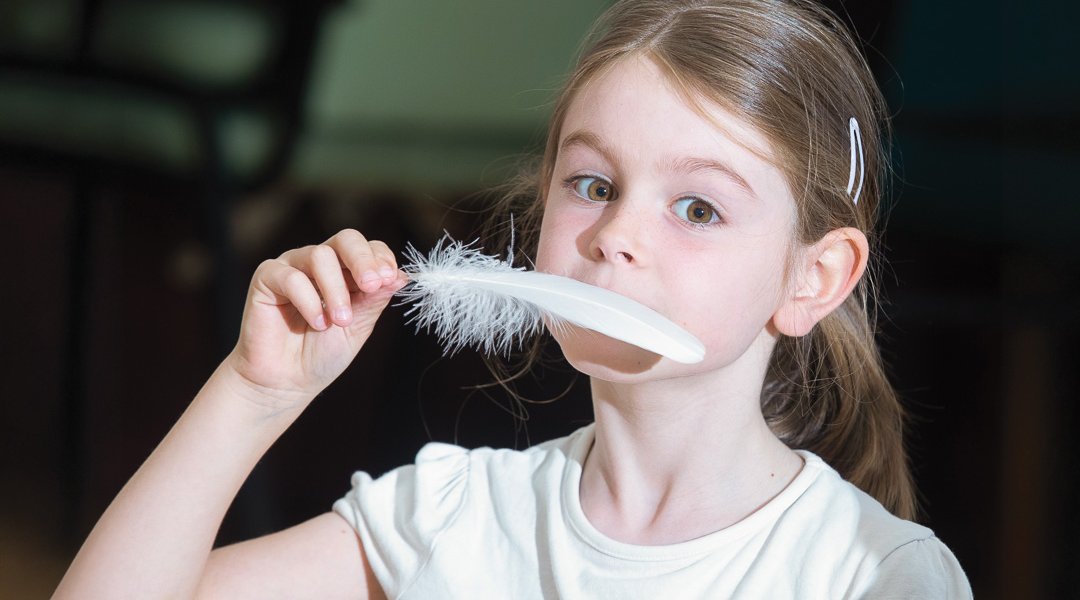
Is the way we breathe affecting our health, focus and emotional wellbeing? Fiona Stubbs meets breath coach Charlotte MarshBreathing.
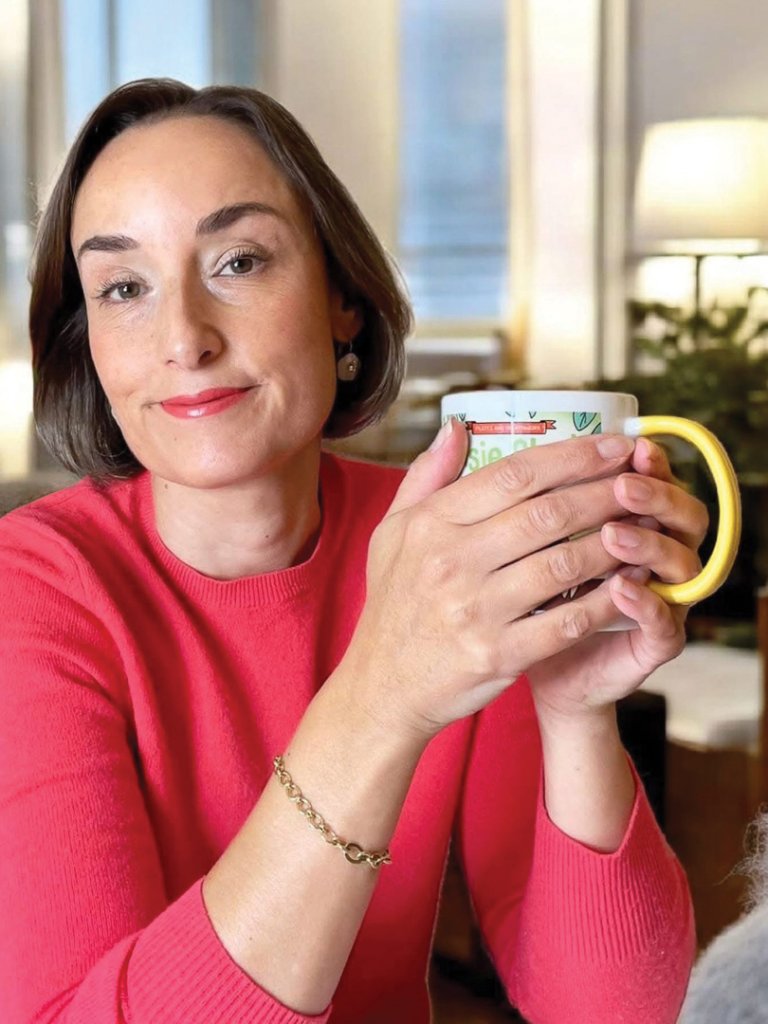
It’s a part of life we all take for granted as something we just do.
But are we doing it right?
How we breathe is emerging as a key factor in the lives of both adults and children – from mental and physical health, to focus and learning, to sleep patterns and long-term brain health.
Derbyshire-based Charlotte Marsh discovered the benefits of breath work 20 years ago when she was advised to practise Pilates as part of rehabilitation for a back injury.
The results spurred her to investigate further and led to a career as a breath coach, Pilates teacher, speaker and award-winning author.
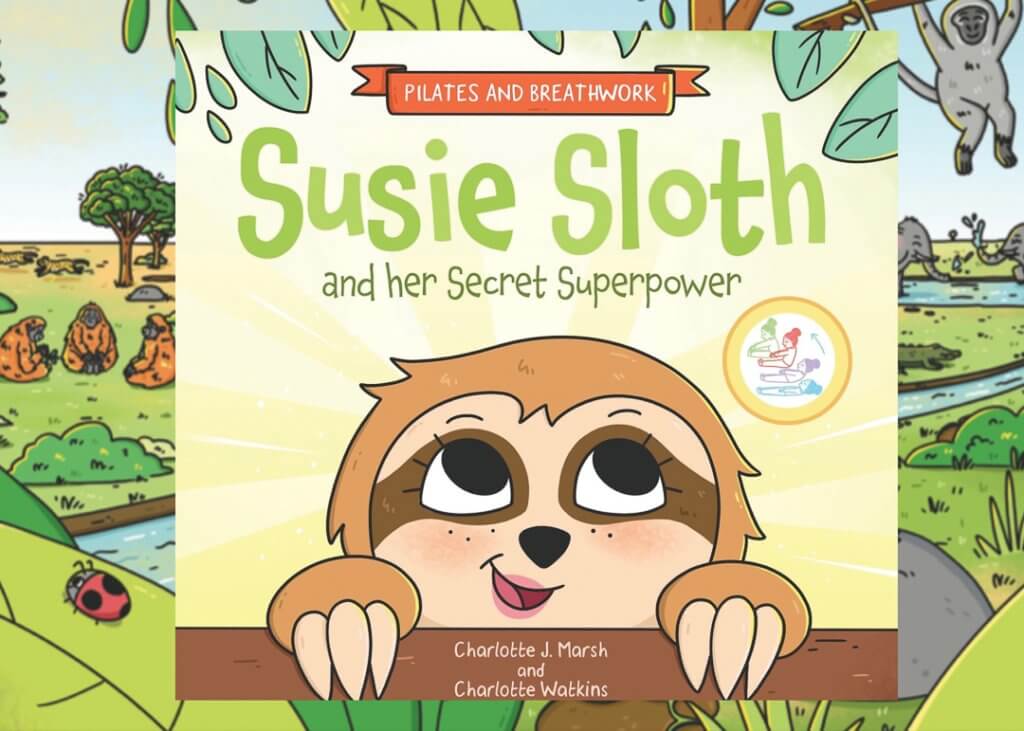
Now, through her business, Benefits of Better Breathing, she helps adults – through online courses and workplace wellness sessions – to manage stress, ease anxiety and reduce pain. She also teaches Pilates and breathwork to children in school workshops and through her book Susie Sloth and her Secret Superpower.
“Better breathing can transform everything, from focus at work to patience at home,” explains Charlotte. “In our busy lives, we don’t consciously consider how we are moving, how we are feeling – until we don’t feel right.
“Your brain is constantly sensing how you breathe. Breathing is a core part of the nervous system. In many ways it’s a very complicated system and research is still coming out. But, on the other hand, it’s quite simple. You can either breathe fast or slow, with big breaths or light breaths.
“When stressed, we tend to shift to faster, shallower breathing. As a result, the balance of gases in the blood changes.The brain may interpret this as a signal that we are not safe, which can contribute to feelings of anxiety and heightened stress .
“How we breathe is emerging as a key factor in the lives of both adults and children – from mental and physical health, to focus and learning, to sleep patterns and long-term brain health.”
“When calm, we’re taking slow, light breaths so our nervous system is receiving a signal that all is well. Learning to breathe properly through our nose is also a key element. It’s about calm breathing, sending a message that the body is safe.”
She adds: “Anxiety is a form of mental unease. We may experience a racing heart, clammy hands, breathing too fast, feeling butterflies.
“The feelings can be similar to excitement, receiving an accolade, scoring a goal, the anticipation before going somewhere exciting. The difference is the thoughts and stories going through your head. When a child experiences anxiety for the first time, we may say, ‘There’s nothing wrong – you’re OK.’ But if the distress is coming from the body itself, that message clashes with what the brain is sensing. You can’t override physiological signals with reassurance alone.
“What children need is a better understanding of their breathing and, if they want to calm themselves down, how to use light and slow breaths. In my school workshops, I teach children how to breathe through gentle movement and play. When you engage with young children, it has to be story-based. Children learn by playing and having fun.
“We learn the difference between nasal and mouth breathing – nasal breathing activates 50% more brain areas for memory and executive function, so it’s key for learning.”
Charlotte says: “From birth, children naturally breathe as nature intended. However, as they grow, factors such as frequent colds, environmental influences and modern lifestyles can disrupt this natural pattern. Over time, changes in breathing can impact both their physical and mental health, even influencing their long-term well-being.”
She believes the benefits of breathing correctly are more important than ever for teenagers as they face pressures from their school and digital lives. She has developed a Breathe Smart workshop specifically for teens.
“Research shows that around one in three teenagers have anxiety,” she says. “It’s definitely more common. It’s challenging. Children and teenagers are well-informed these days, they have access to a lot of information at their fingertips.”
Charlotte’s own wellness journey began 20 years ago, with a back injury when she was eight-and-a-half months pregnant with her first child.
“I didn’t want surgery as a new mum,” she recalls. “I went through rehab and was advised to do Pilates, which led me to do my own research into breathing.”
She became a Pilates teacher and went on to complete a range of breathing-related courses from a variety of backgrounds, including Tai Chi, Yoga and Conscious Breathwork.
“It opened my eyes to how influential breath can be to sleep, anxiety, trauma and stress recovery and pain management,” adds Charlotte. “The deeper I studied this subject, the more I knew I had to share this information with other movement teachers, other breath workers and with anyone passionate about their physical and mental health.”
One of Charlotte’s earliest interventions was to help her own daughter. “When my daughter was eight, I noticed she had an unusual breathing pattern,” she remembers. “I had enough training at that point to recognise it, and I was grateful I could support her early using simple breathing exercises. I saw a paradoxical breathing pattern, where the chest and abdomen move in the opposite direction to what we’d expect. It’s usually straightforward to address, but left unrecognised, it can place unnecessary strain on breathing, sleep and the nervous system.”
Charlotte trained in the Buteyko Breathing Method, developed By Dr Konstantin Buteyko to manage symptoms of various conditions, including asthma, anxiety and sleep disorders and has worked with GPs campaigning for more health and education professionals to be aware of the long-term implications of dysfunctional breathing in childhood.
• Learn more at: https://www.benefitsofbetterbreathing.co.uk