
By Vivienne Milburn FRICS Independent Antiques Auctioneer & Valuer
The market for antique silver items is at its highest in 2026, driven not just by the intrinsic worth of the metal but also by factors like rarity, craftsmanship, and decorative appeal.
Solid antique silver, especially pieces with clear dates and hallmarks from recognised makers or regions, continues to attract collectors and investors globally. While silver prices can fluctuate with commodities markets, pieces of historical or artistic significance often outperform simple bullion value.
European silversmithing from the 19th and 20th centuries flourished as decorative arts evolved, with many objects reflecting local tastes and broader European artistic influences.
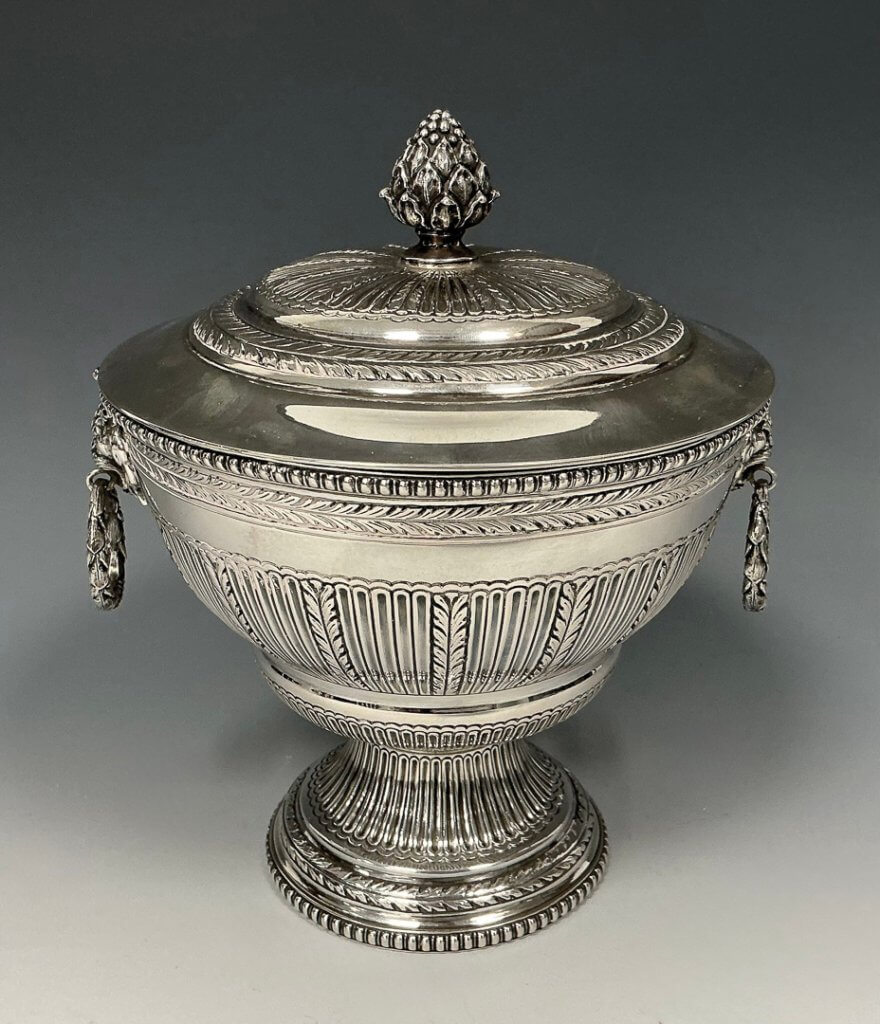
Late 19th century pieces show neo-classical and revival styles popular in Victorian Europe, with embossed foliate and scroll borders or heraldic scenes typical of ceremonial tableware. These aesthetic traits make them desirable beyond their material weight.
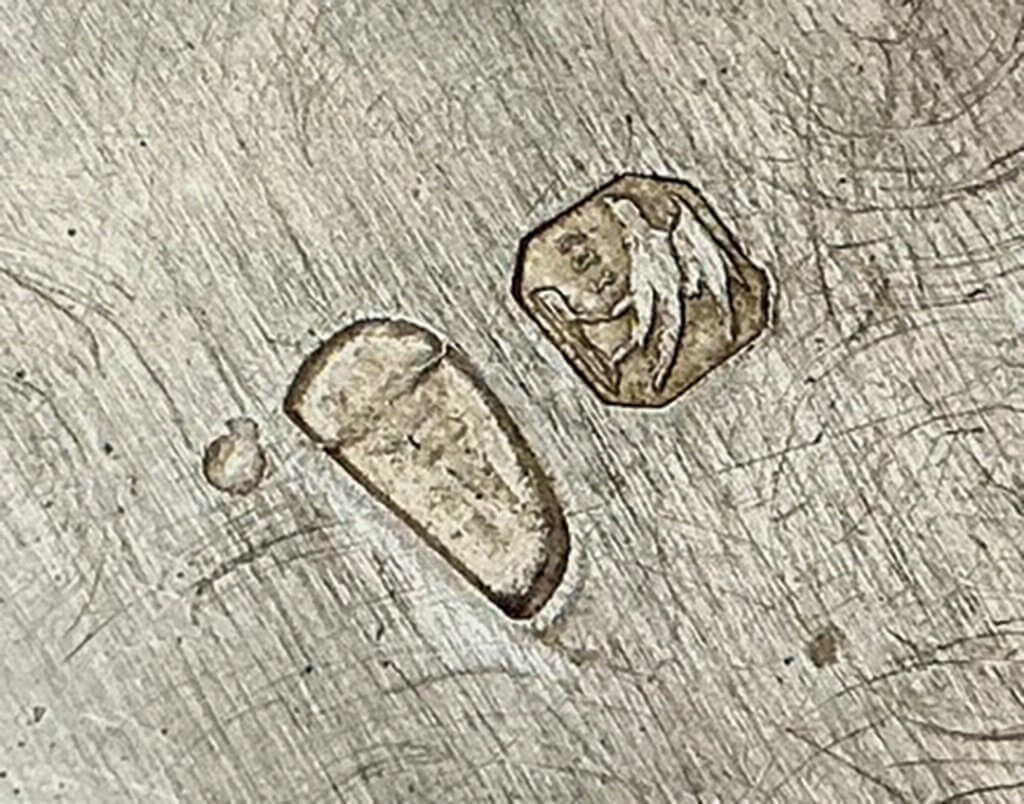
One of the keys to collecting and valuing silver is assay marks. European hallmarking tradition is designed to indicate purity, assay office and often date or maker. Great Britain leads the way with its comprehensive hallmarking system. In Europe, town marks (often the first letter of the city’s name with a crown) signify where the piece was assayed. Recognising these stamps helps confirm authenticity and age.
Collectors prize clearly hallmarked pieces because the marks underpin authenticity, origin and purity, which are central to both desirability and price. A well-documented maker’s mark or assay office impression can elevate a piece well above its bullion value.
When it comes to selling, auction houses are the best venue for antique silver, particularly high-quality or rare pieces. Auctions bring together a global audience of serious buyers and collectors, rather than the limited pool a private sale might attract. Competitive bidding can drive prices beyond what a buyer might otherwise offer. Auction catalogues also provide professional descriptions and provenance details that reassure buyers and help position items in historical and stylistic contexts.
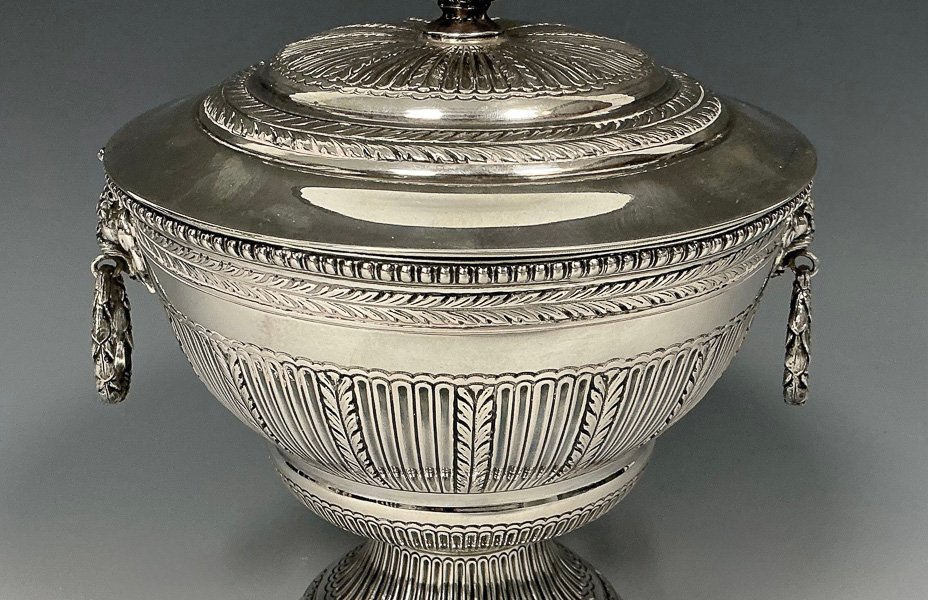
Unlike selling for scrap, where the piece’s value is tied only to metal content, auction sales reward artistic merit, historical interest and rarity. This Portuguese silver pedestal bowl and cover, with a clear hallmark might fetch well above its melt value as buyers are paying for heritage and craftsmanship, not just ounces of silver.
If you require a valuation on your antiques and collectables, it is worth getting the advice of an Independent Antiques Valuer to assess your works of art. For information, please contact Vivienne Milburn on Mobile 07870 238788 or 01629 640210. www.viviennemilburn.co.uk vivienne@viviennemilburn.co.uk