
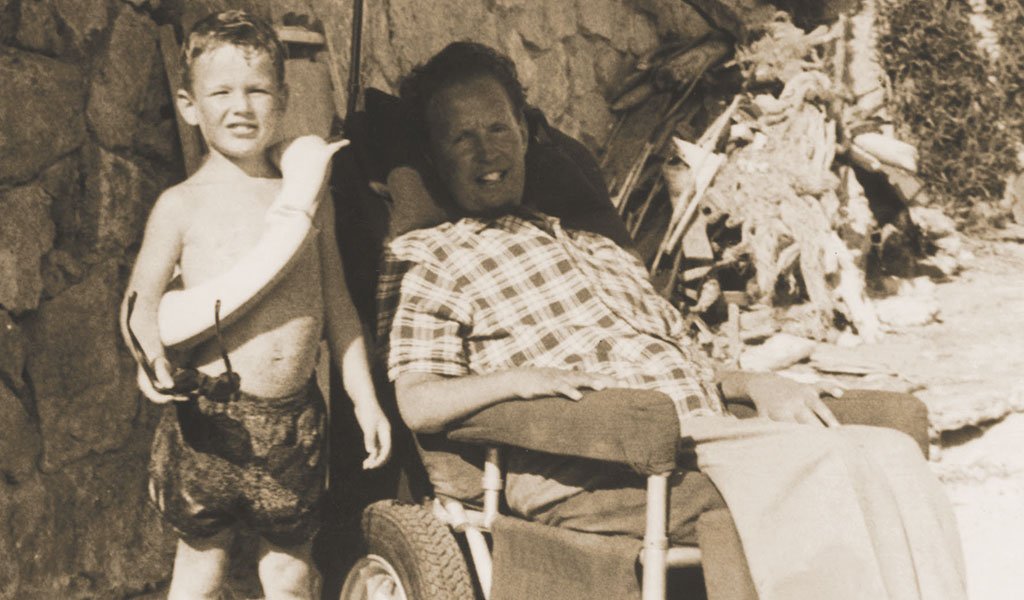
Nicola Lisle hails the pioneering spirit of a Derbyshire-born man who devoted most of his adult life to helping severely disabled people.
ON June 16, 2019, a blue plaque was unveiled in the tiny Oxfordshire village of Drayton St Leonard to honour responaut Robin Francis Cavendish, an extraordinary man whose own severe disability inspired him to champion the needs of others in similar situations.
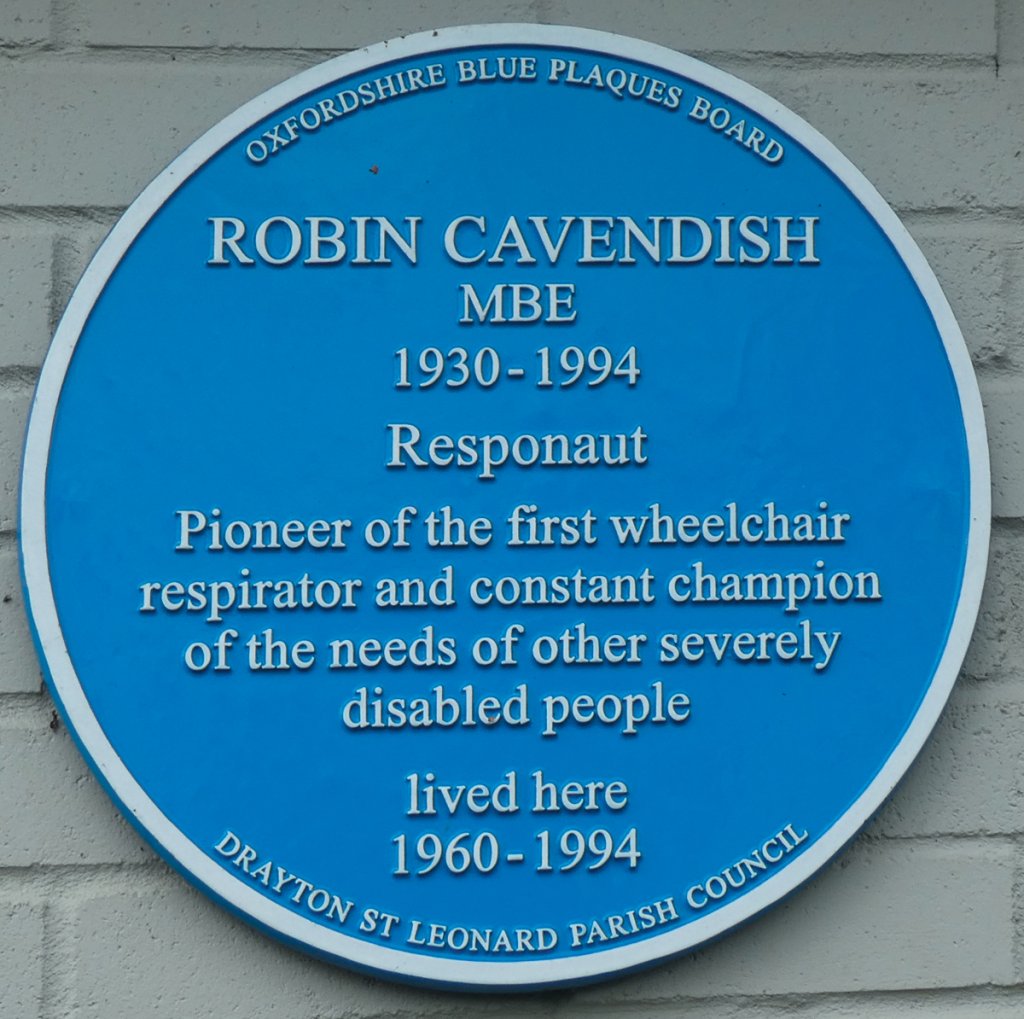
The plaque is a worthy tribute to a man whose achievements are perhaps not always fully appreciated. Paralysed from the neck down after contracting polio at the age of 28, he defied medical odds to live for another 36 years, during which time he pioneered new equipment to improve the quality of life for disabled people and their families.
He was born in Middleton, near Youlgrave, on March 12, 1930, to Brigadier Ronald Valentine Cecil Cavendish (1896-1943) and Violet Helen Boucher (1896-1974).
“They were surrounded by lots of people called Cavendish, who were distant cousins of the family that owned Chatsworth,” says his son Jonathan, (61), a film producer.
“My father’s upbringing was mainly going off into the Peak District with his ferret catching rabbits for lunch, as far as I can make out.
“He was sent off to boarding school, aged 7, in Worcestershire, but he was very much a Derbyshire lad. He went on to Winchester College, but he always went home every summer. He loved Derbyshire, and supported Derby County Football Club.”
Robin was just 17 when his father was killed in action in Burma during the Second World War, having already served with distinction during the First World War and been awarded the Military Cross.
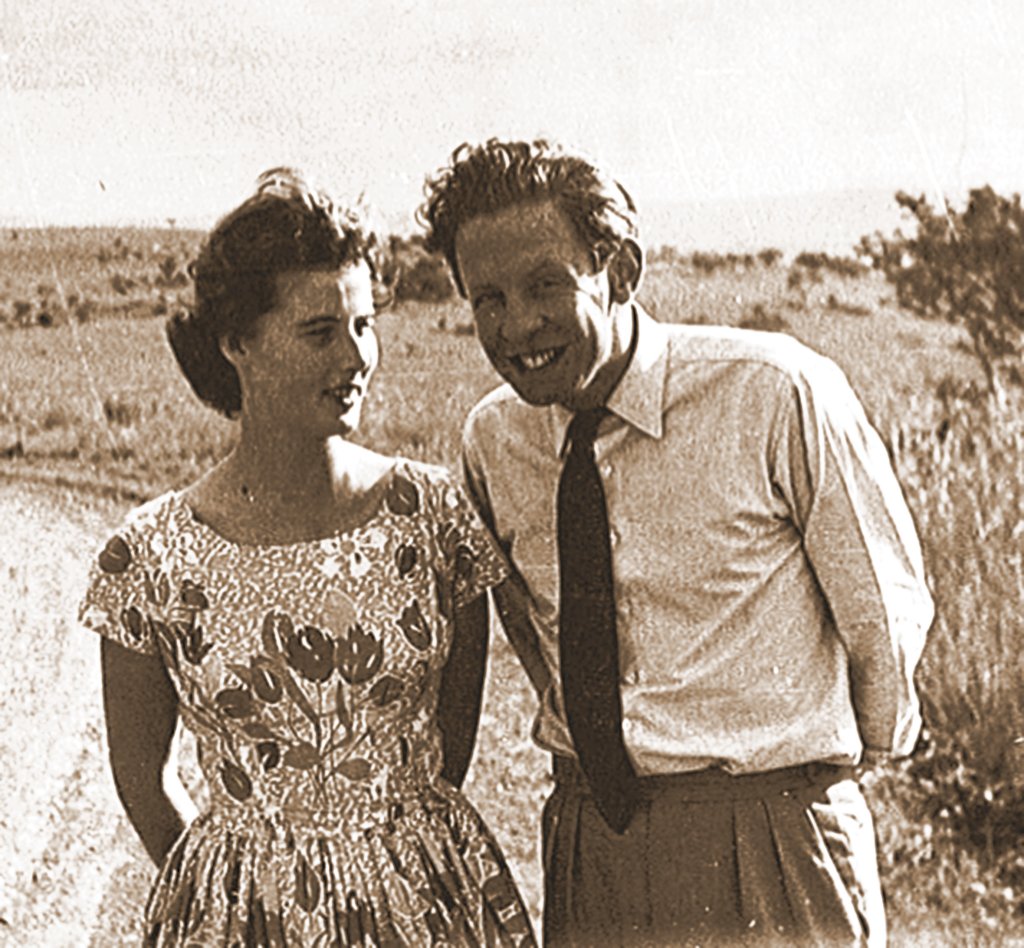
This didn’t deter Robin and his elder brother, Peter, from following their father into the army. Robin attended Sandhurst before enlisting with the King’s Royal Rifle Corps, serving for seven years and attaining the rank of Captain. He married Diana Mary Blacker (born 1934) in June 1957, after a whirlwind romance, and the couple went off to Kenya, where Robin worked as a tea broker. For eighteen months, the couple enjoyed an idyllic life in the African sun.
Then, in December 1958, when Diana was seven months pregnant, their world collapsed. Robin was taken ill, rushed to hospital and diagnosed with polio. He was left almost completely paralysed, unable to breathe without a ventilator and not expected to survive more than a few days.
He was still clinging to life, though, when his son, Jonathan Stewart, was born on February 4, 1959. The family returned to England and Robin was taken to the Nuffield Orthopaedic Hospital in Oxford where, according to Jonathan, he entered a period of “profound depression”, and where, it seemed, he would end his days. But Diana had other ideas.
“My mother persuaded him to break out of hospital, and my father got his mojo back,” Jonathan says. “They bought a house close to Oxford and that’s where they lived, close to the hospital that looked after him.”
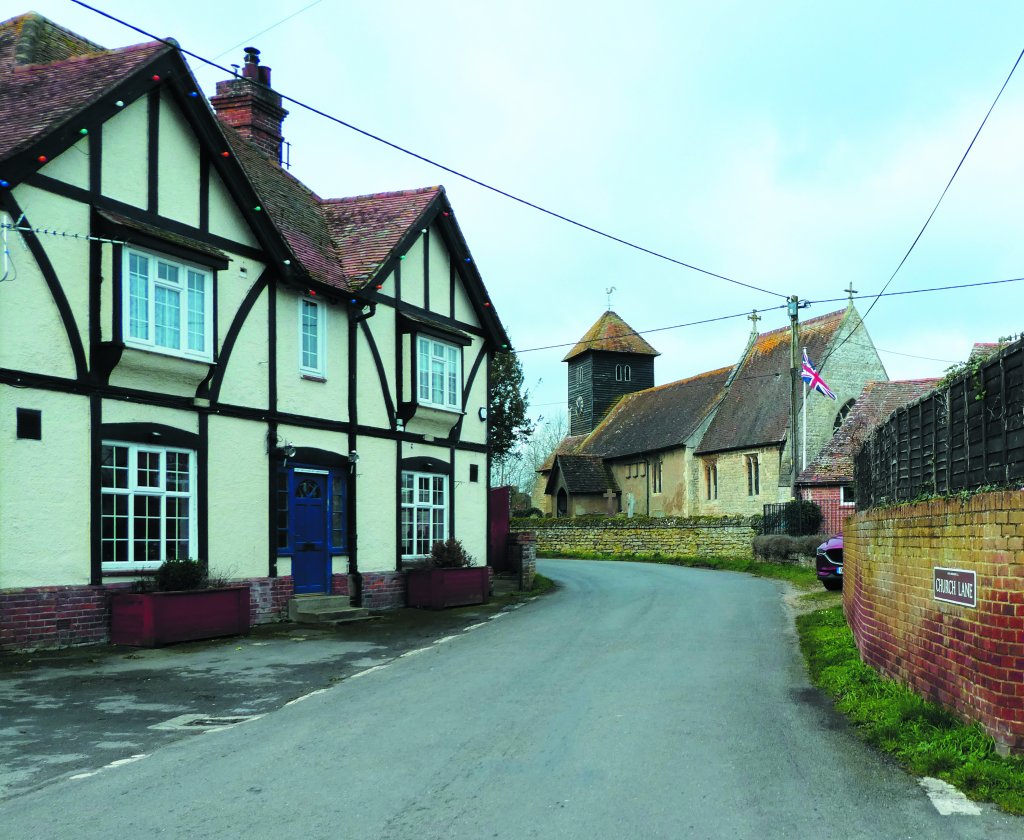
That house was Furlongs (now known again by its original name, The Old Rectory) in Drayton St Leonard, about ten miles south of Oxford. Over the next three decades, Furlongs became a magnet for family friends and an ever-increasing number of disabled people and their families, who came to the Cavendish home for advice.
Most importantly, Robin’s extraordinary vision, determination and selflessness saw him helping to pioneer equipment that would allow severely disabled people to live as normally as possible. One of the first such innovations was a wheelchair with in-built respirator, which was developed in 1962 by Robin and an Oxford University scientist, Professor Teddy Hall. This became a blueprint for future designs, and enabled Robin and other responauts to enjoy a greater degree of mobility and independence.
With his powers of charm and persuasion, Robin raised money from the Ernest Kleinwort Charitable Trust for another dozen wheelchairs, and then managed to secure funding for more chairs from the Department of Health.
He later helped the Stoke Mandeville Trust to develop the Possum, a sophisticated piece of equipment that responauts could use to perform simple tasks, such as turning on the television, with a turn of the head.
Despite his father’s disability, Jonathan remembers the days at Furlongs as happy, upbeat and filled with purpose.
“Our house was a great centre of entertainment of my parents’ friends and my friends.”
“Our house was a great centre of entertainment of my parents’ friends and my friends. My parents were incredibly sociable, but my father was two minutes away from death at any point in the days when machinery was very unreliable and there were power cuts. He was entirely reliant on the electricity system and his battery on his chair to pump air into his lungs. My mother was so cool, yet she must have been under a great deal of pressure.
“But they reinvented a life. Nobody had ever lived that degree of freedom with that degree of disability before. They were complete pioneers.
“Then the house filled up with disabled people, because people came to get their advice and guidance, and they helped other people leave hospital and have a more normal life at home.
“So it was a life of having a good time on the one hand, and also a life of service, looking after people.”
Once he had his mobile respirator, Robin was able to travel, and he and Diana embraced the travelling life enthusiastically, with Diana driving all over the UK and Europe in a converted Dormobile that was fitted with a hydraulic lift for Robin’s wheelchair.
Robin was keen to ensure that other responauts and their families could enjoy much-needed breaks, and so, in 1970, he and Dr G.T. Spencer, a consultant at St Thomas’ Hospital in London, founded the charity Refresh to raise funds for a purpose-built holiday facility. Netley Waterside House, overlooking Southampton Water, opened in 1977.
Meanwhile, in 1975, Robin was awarded an MBE for services to disabled people.
He died at Furlongs in 1994, aged 64, having confounded all medical expectations to become one of the longest-living responauts in the UK.
His family have continued his legacy by setting up CS Disabled Holidays, which enables severely disabled people to enjoy much-needed breaks.
“They’re the first people who need them and they’re the last people who get them,” Jonathan says. “So my mother, who’s 85, and I and my wife and family, we’re all very involved in the whole process of trying to help disabled people have a better life.”
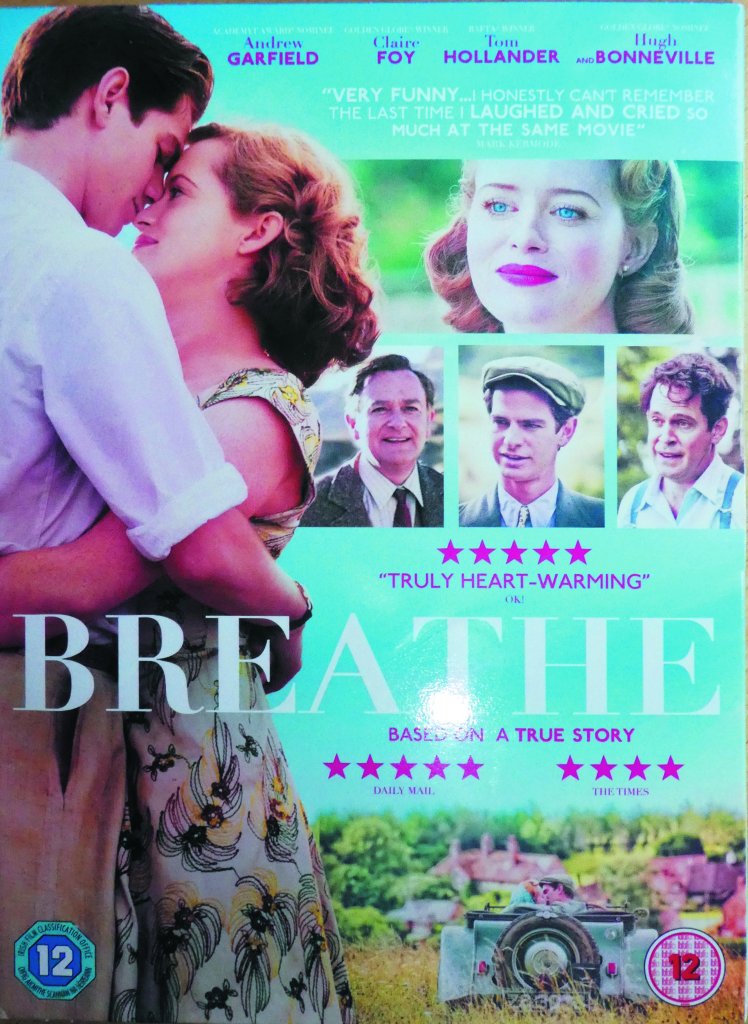
In 2016, Jonathan produced a film, Breathe, which tells the story of his father’s life and stars Andrew Garfield as Robin Cavendish, Claire Foy as Diana and Hugh Bonneville as Professor Teddy Hall. The film also saw actor Andy Serkis, with whom Jonathan founded The Imaginarium Studios in 2011, make his directorial debut.
Breathe premiered at the Toronto International Film Festival in September 2017 to great acclaim and was released in the UK in November that year.
“I wanted to make a film that showed what joy my parents’ lives produced, for themselves and for everyone around, and what can happen if you’re struck down in a terrible way but have the good fortune as well as the energy and character to turn your life around,” says Jonathan.
“My father was a very charismatic, powerful, amusing, charming person, and he became a huge inspiration to thousands of people all over the world. It was an extraordinary life and affected many people around him.”
The blue plaque was unveiled by Diana Cavendish at Robin’s beloved former home in Oxfordshire, with Jonathan giving the official speech. It is just a small recognition of a man whose influence was huge.
Editor’s Note: For more information about CS Disabled Holidays, visit www.csdisabledholidays.co.uk. ‘Breathe’ is available on DVD (released April 2019) and on Netflix.