
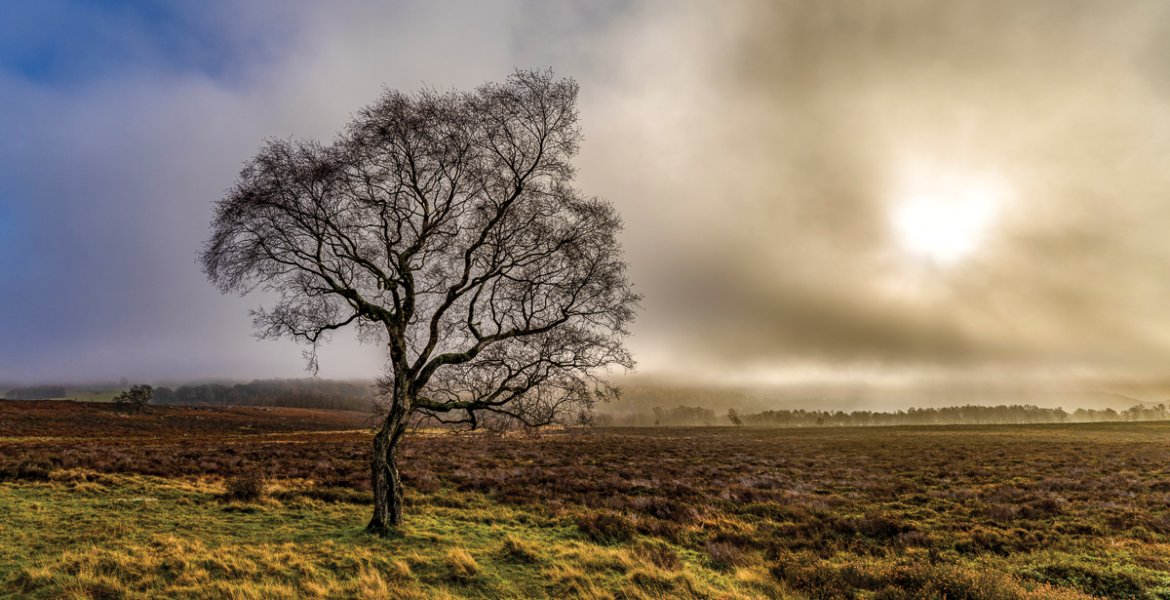
Peak District photographer, writer and mountaineer Chris Drabble reflects on the significance of trees as a photographic subject. He examines why images of a single tree can create dramatic, atmospheric and aesthetically compelling photographs that resonate deeply with viewers, evoking a sense of an emotional and spiritual connection with the landscape
Trees have always played an important role in the composition of traditional landscape art and photography.
They are prized for their ability to add perspective, structure and storytelling to a scene. Their attraction lies in their versatility, ranging from commanding solitary subjects to supporting elements that provide colour, texture, framing and leading lines. It is no coincidence that trees are so often the subject of landscape paintings and photographs.
Trees have a rich symbolism in many cultures, often representing strong universal feelings of life, growth and strength. Trees have a long, familiar, enduring presence in our landscapes. They can evoke a range of emotions, from peace and tranquillity to astonishment and wonder, depending on their setting, their shape and how they interplay with light.
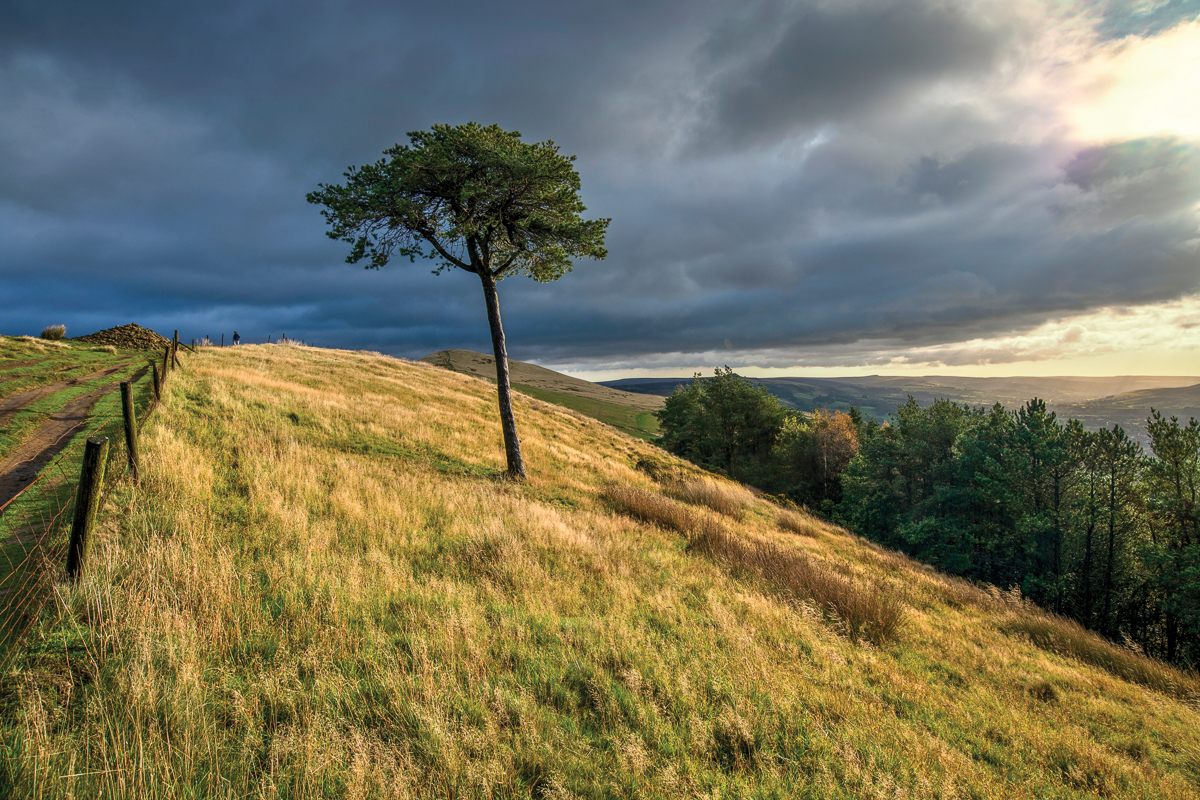
This iconic isolated tree on the upper slopes of Back Tor is a very popular subject for photographers and artists.
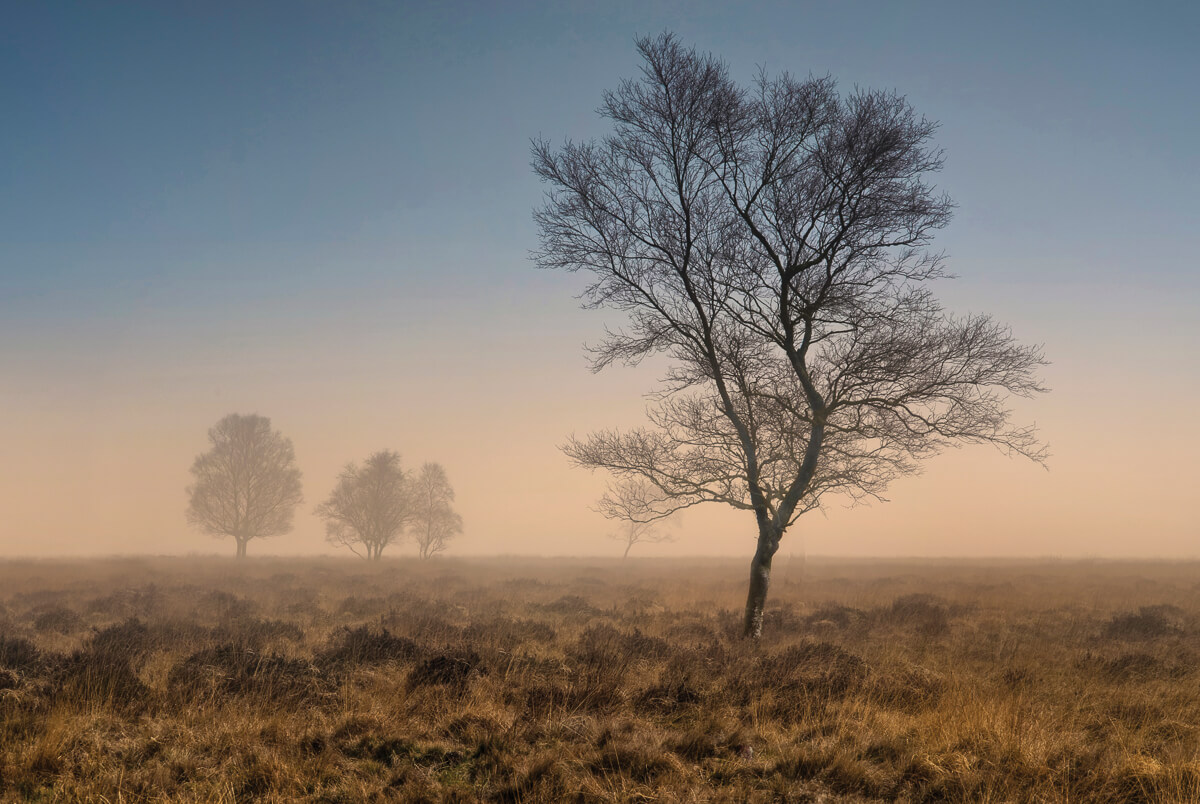
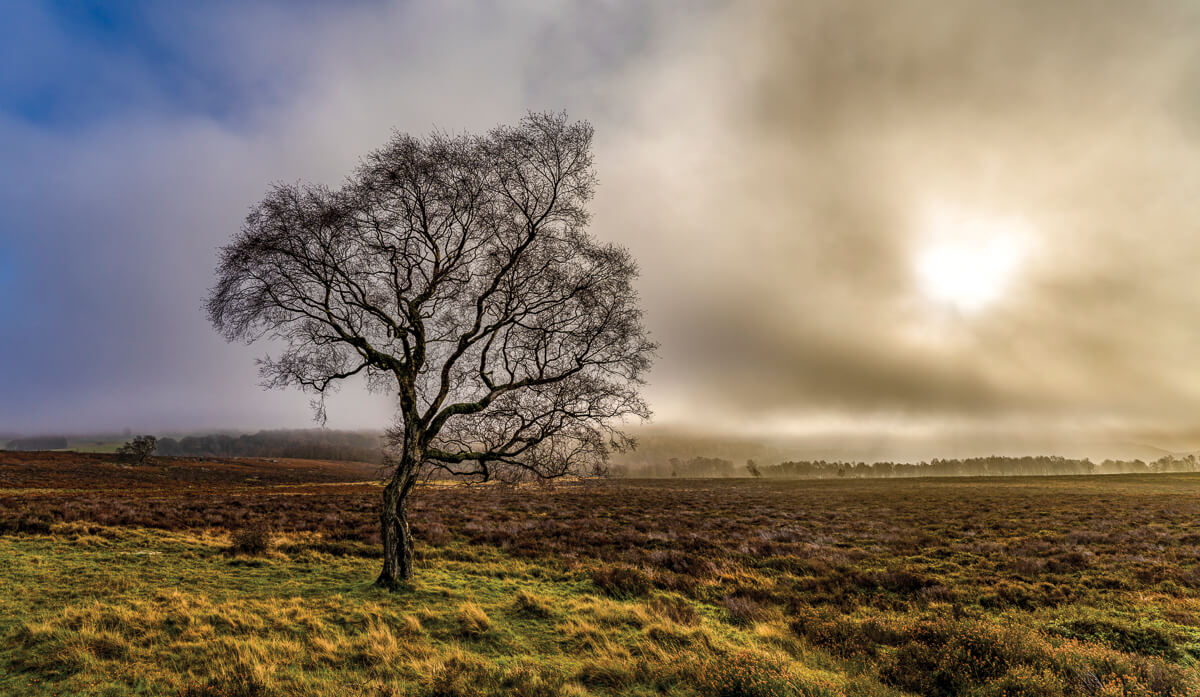
A ground mist at dawn helped to isolate this tree on Leash Fen from the distant trees on the horizon.
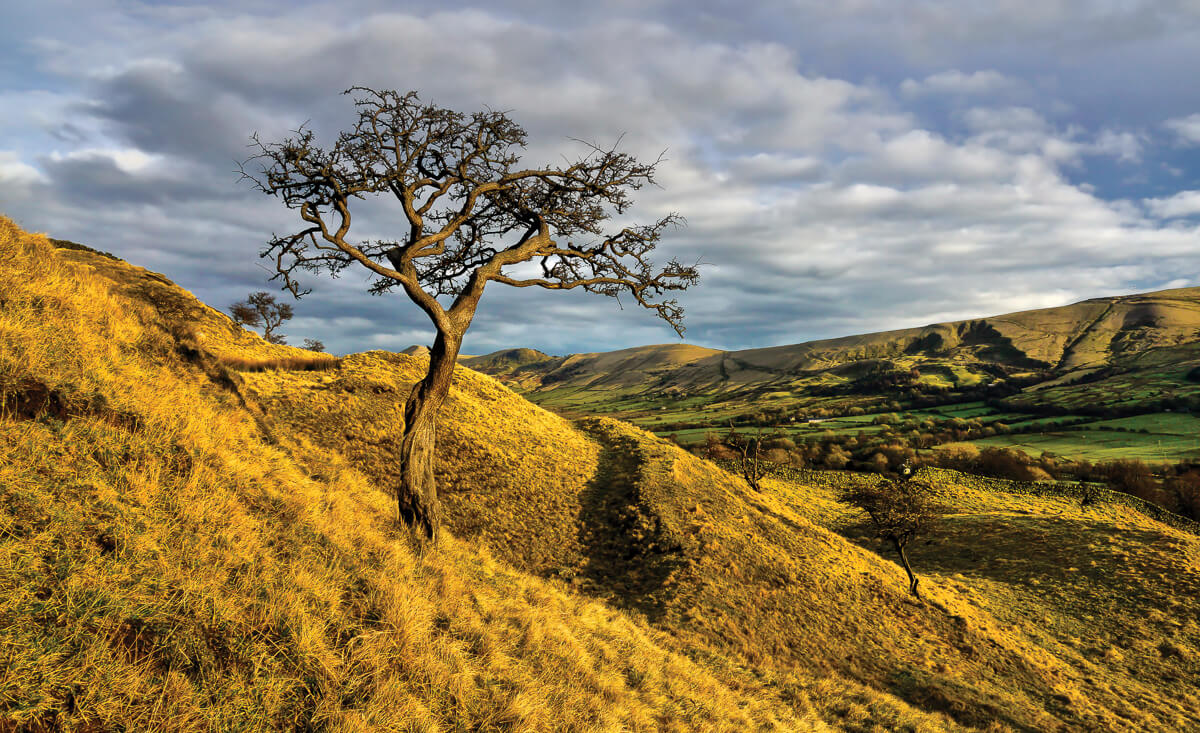
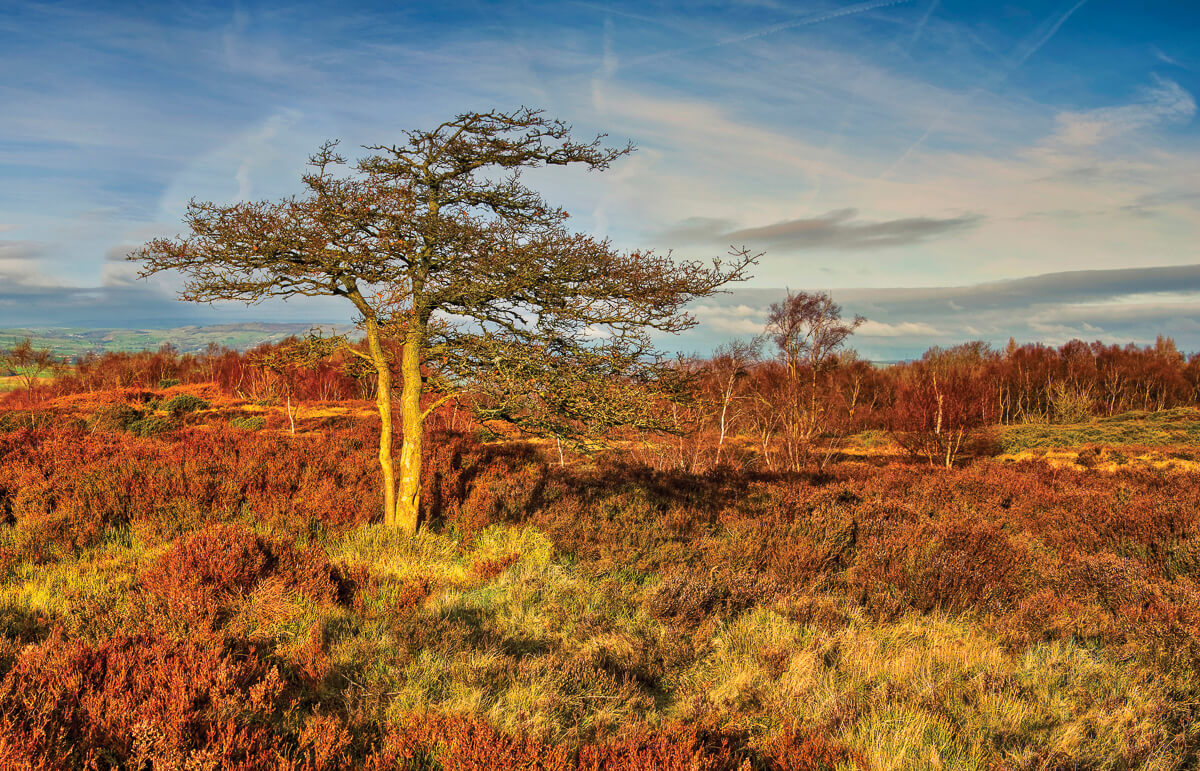
The last light from the setting sun illuminates this tree on Stanton Moor and helps to define its isolation from the surrounding landscape.
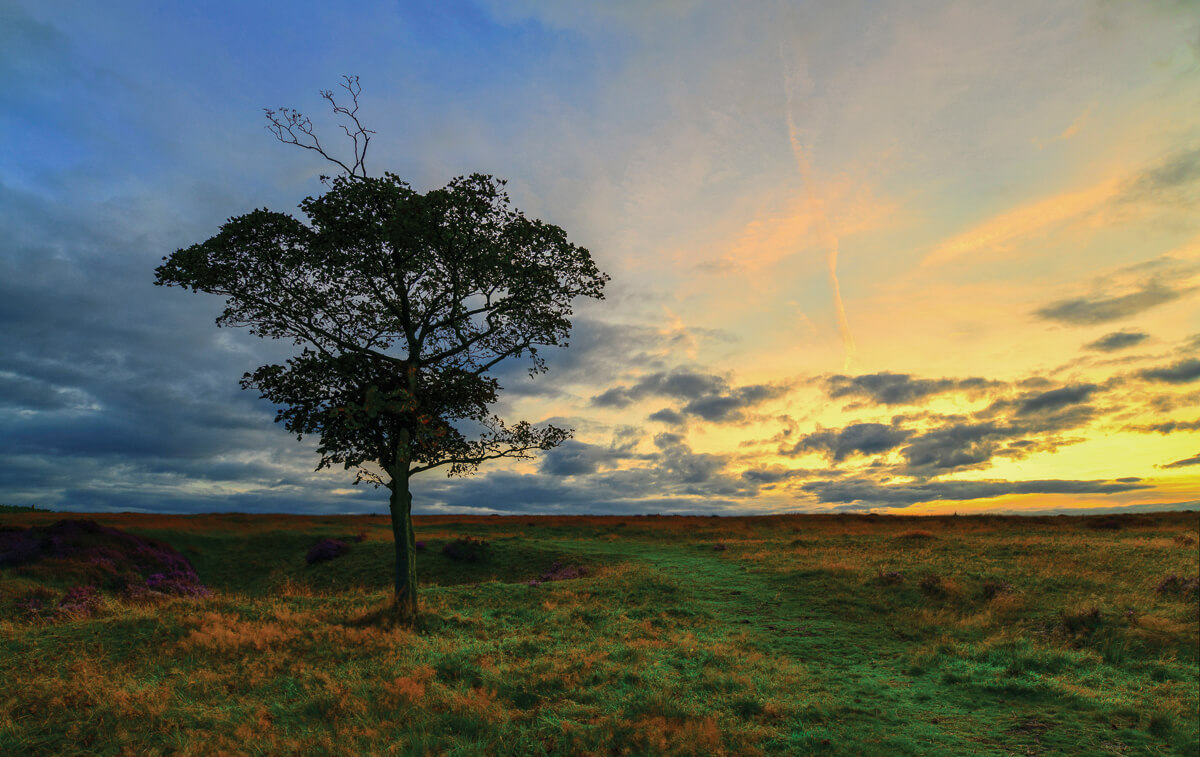
This tree on Ramsley Moor made a fabulous subject for a photograph at sunset.
They stand tall for generations and have become symbols of defiance and resistance to the increasing encroachment of urban environments. They weather the rhythm of the seasons, and shape our emotional connection to time, places and memories. In their stillness, we find a deeper connection to our own resolve and determination and in their decay we recognise our own fragility and impermanence.
In a very general sense, landscape photographs are more appealing when the composition has a single, meaningful focal point. Stripping the picture down to concentrate on just essential elements can create a strong, quiet impact.
Photographically, a single tree serves as a natural anchor in the frame. Its vertical lines draw the eye upward in a prelude to the sky, while – in the Peak District – their subtle forms give balance and scale to gritstone crags, rolling hills and limestone tors.
In winter, they stand as stark sentinels. Their silhouettes punctuate the horizon with each branch and every curve of the trunk defined in dark contrast, whilst autumn and spring reveal analogous palettes of yellows and oranges. In spring, trees bloom into life with fresh greens and blossom and then as the seasons turn into autumn they shed their leaves to create earthy brown carpets as they retreat into a dormant existence.
A solitary tree stands as a witness to the passing of the years, silent and steadfast in a poetic stillness. Shaped by prevailing winds, whether shrouded in mist or silhouetted at sunset, a lone tree conveys a story of endurance and natural beauty and in any setting is a powerful subject for a photograph.
See more work from
Chris Drabble at: https://www.photo4me.com/profile/1907