
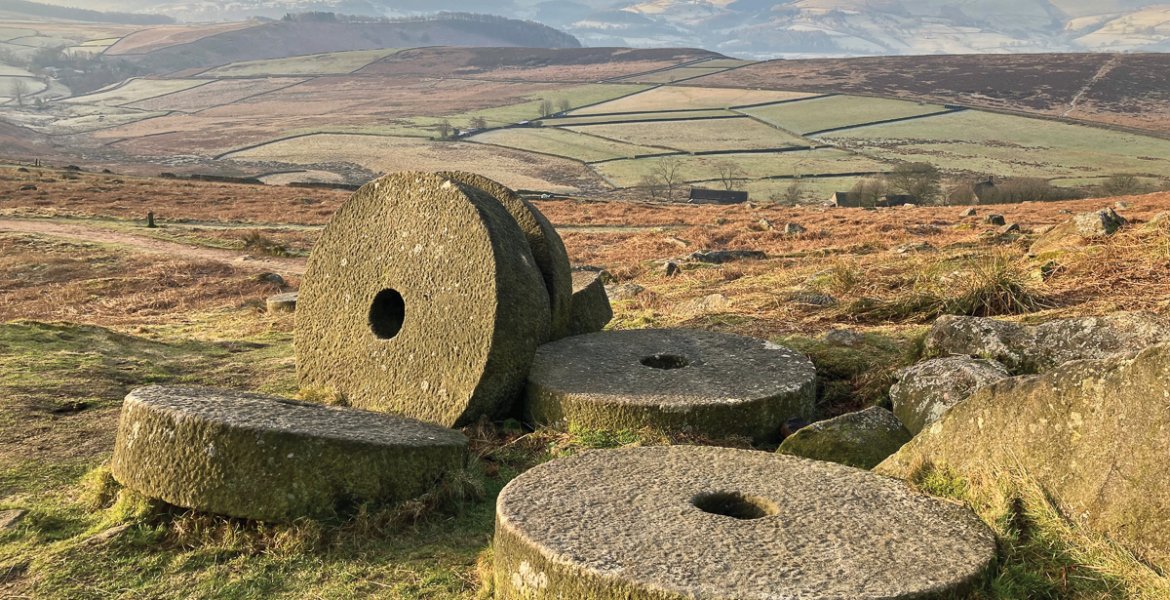
A new report celebrating the 75th anniversary of national parks says that the Peak District still has a vital role to play for the nation, according to its local author Andrew McCloy
It’s been said that the Peak District National Park was the first to be created in the UK because, quite simply, it was needed the most.
The threat from unchecked and unsightly development, and the restrictions on where its large and eager audience could go, made the 555 square miles of limestone dales and gritstone moorland a precious but vulnerable and inaccessible place.
Countryside protection and public access were the twin driving forces behind the 1949 Act that created national parks like the Peak District; but now, 75 years later and with national parks well established, my anniversary report suggests we need to look forwards and use these national assets to tackle some of society’s biggest challenges.
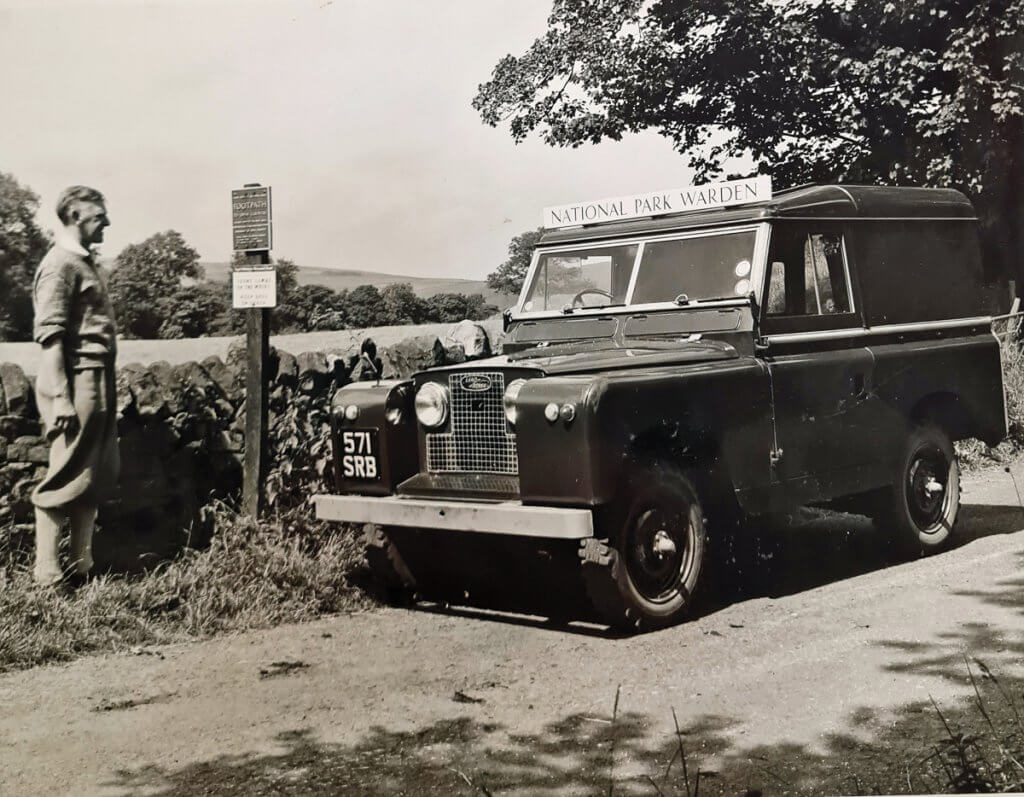
Back in the 1950s, national park designation regarded landscape somewhat passively through the lens of natural beauty, but in today’s fast-paced modern world we are beginning to appreciate national parks for qualities perhaps less keenly felt back then, such as tranquillity and dark night skies.
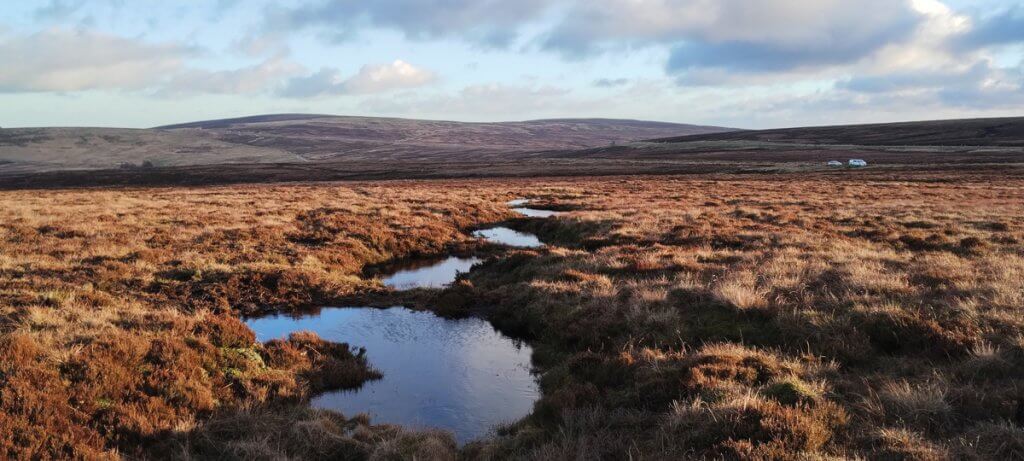
So, too, we are recognising the benefits of a healthy and functioning Peak District landscape for its urban neighbours – the vital supply of clean drinking water from its reservoirs and waterways, and how its peatlands can lock up vast quantities of carbon – crucial in combatting climate change. Peak District moorland and forest resilient to wildfires can ensure clearer air for communities downwind; while regulating upstream river flow can diminish the severity of flooding well beyond the national park boundary.
National parks like the Peak District are leading on this progressive agenda, not least through ambitious programmes such as the Moors for the Future Partnership which has so far raised £75 million and restored over 250 sq km of badly degraded peat. It’s helping to show that national parks are about more than simply a nice day out; and that what happens in the Peak District has consequences closer to many people’s homes.
Given that 80% of the UK’s priority conservation habitats are within national parks, they also have a key role to play spearheading nature’s recovery in the face of its catastrophic recent decline, thus helping the government meet its ‘30×30’ targets to protect and conserve a minimum of 30% of land and sea for biodiversity by 2030.
But the contribution of national parks can be measured in human terms, too. At a time of growing health inequalities and spiralling healthcare costs, national parks like the Peak District offer a natural health service to improve the nation’s physical and mental good health, as well as benefit the public purse, and already local initiatives like ranger-led health walks and ‘nature prescribing’ are pioneering different approaches. Turning to outdoor exercise and the natural environment instead of the usual pharmacy prescriptions is certainly innovative, but it needs long term funding and to be made available to people living both in and outside the park.
Indeed, for the 20 million people who live within one hour’s drive of the Peak District, access to nature and green space provided by the national park’s uplifting scenery is likely to become more and more important, especially in the face of a changing climate. A clear message from the 75th anniversary report is that the potential for national parks to drive nature’s recovery by improving habitats for wildlife has benefits for not just for our threatened species but wider society, too.
A key policy area that national parks are already beginning to lead on is farming and the transition away from traditional basic payments to funding nature-friendly approaches more attune with protected landscapes. As much as 87% of the Peak District National Park is farmed in some way and, thanks to a government grant programme, successful new approaches are being trialled that pays farmers for managing land to benefit wildlife, the environment and people alike. It’s hoped this will make the farming industry more resilient with long term benefits to the rural economy, already underpinned by a flourishing tourism, leisure and hospitality sector that in the Peak District alone turns over £700 million a year.
As well as an economic consequence, the social impact of 13 million visitors a year on the Peak District’s 38,000 residents is also significant. In the early years of the national park, visitor numbers were relatively low but, with more leisure time and booming car ownership, the Peak District’s sheer accessibility has brought visitor management under the spotlight.
National parks like the Peak District now have the opportunity to work with partners like regional mayors to explore sustainable new approaches – from rural congestion charging and visitor tariffs through to imaginative traffic management – so that people don’t spoil or harm the national park they’ve come to enjoy and the communities that live there.
Again, new approaches are being pioneered in the Peak District, such as ‘Mini Switzerland’, a publicly-funded £12m integrated public transport pilot coordinated by Hope Valley Climate Action, taking place over the next two years.
Likewise, it’s clear that in some heavily-visited locations local and national government need to tighten up the regulations around short-term holiday lets and second homes, so that there’s a sustainable balance between holiday accommodation and local affordable housing that allows national park communities to prosper.
A lot has changed over the last 75 years and there are plenty of challenges ahead but, despite everything, national parks are unquestionably a success story. They celebrate the importance of ‘place’ and connect us to landscape and nature, especially so in the context of UK national parks which are not remote wilderness reserves but lived-in landscapes that are relevant and accessible. And the Peak District, the place where it all started, is once more leading the way and showing why thriving national parks are vital to us all – for the next 75 years and beyond.
• Andrew McCloy is a Derbyshire-based consultant and writer who was previously Chair of the Peak District National Park Authority. His report, ‘75 years of National Parks: a celebration and a look forward’, is available to download and read from https://www.peakdistrict.gov.uk/learning-about/news/current-news/75th-report