
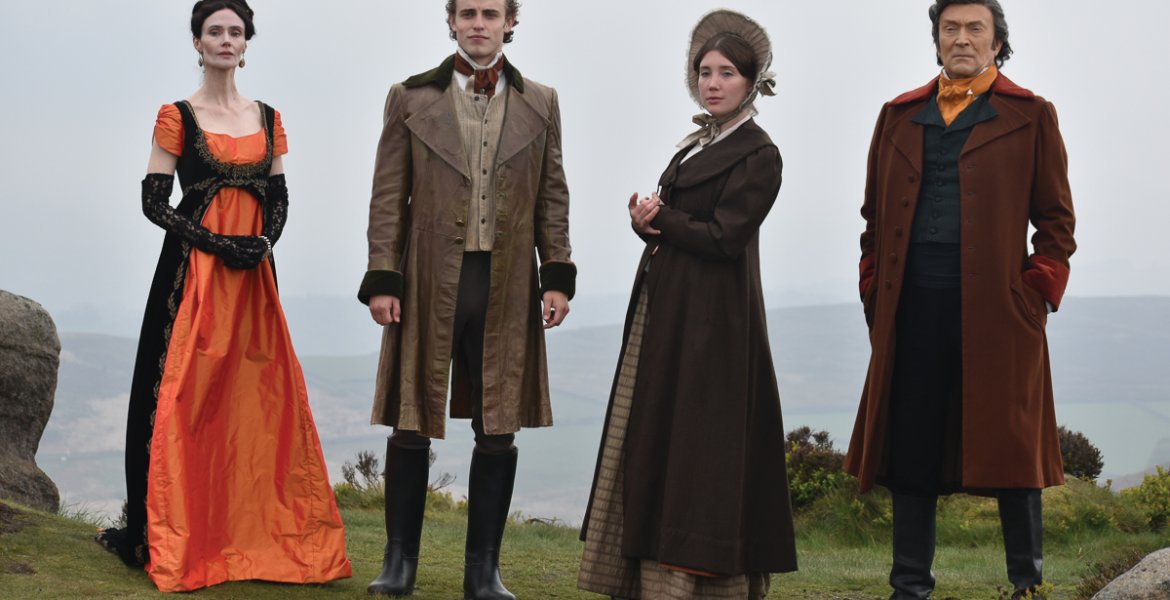
As filming completes in the Peak District on a powerful biopic, Fiona Stubbs joins the cast and crew on set
A moody, misty morning in the Peak District … and the scene is set for a dramatic moment in the life of one of our most famous and influential scientists.
The Eastern Moors formed the backdrop to the final day of filming for Power and Glory, a biopic celebrating the life and legacy of ‘father of electricity’ Michael Faraday (1791-1867), whose discoveries helped to shape the modern world.
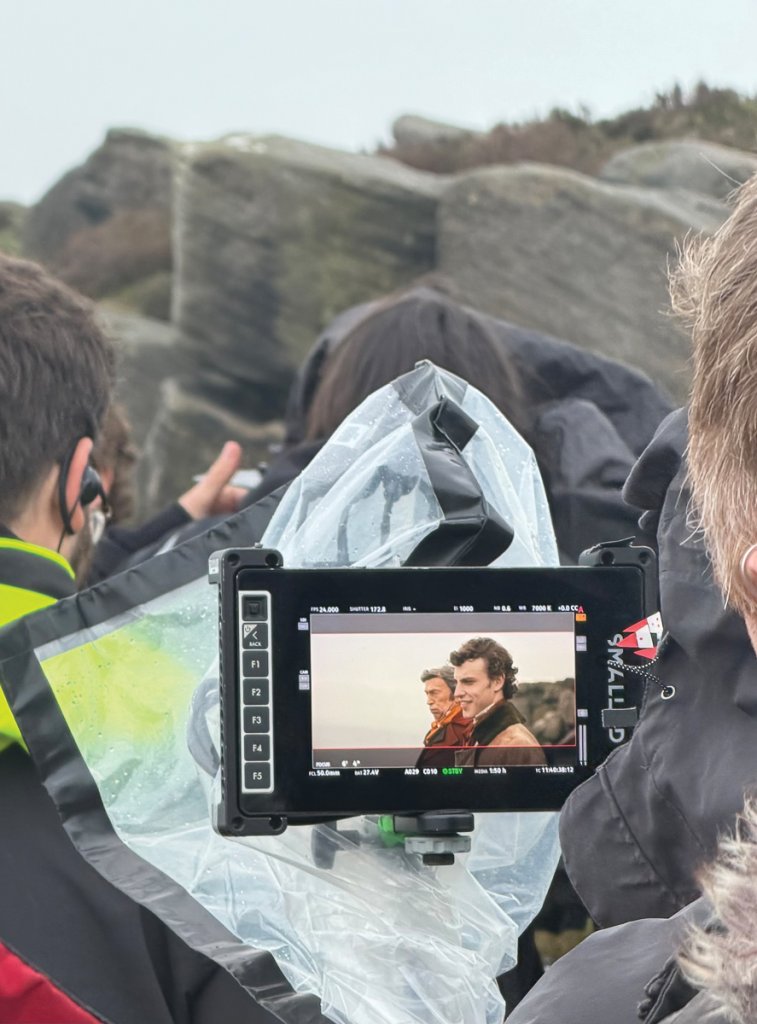
Blending science, faith and human determination, the film reveals how Faraday’s religious beliefs and scientific curiosity combined to produce some of the most important breakthroughs in history, including electromagnetic induction – ultimately leading to the invention of the electric motor.
At the heart of the film, however, is an exploration of the complex relationships between two couples – Faraday and his wife, Sarah, and Michael’s mentor-turned-rival Sir Humphry Davy and his wife, Lady Jane.
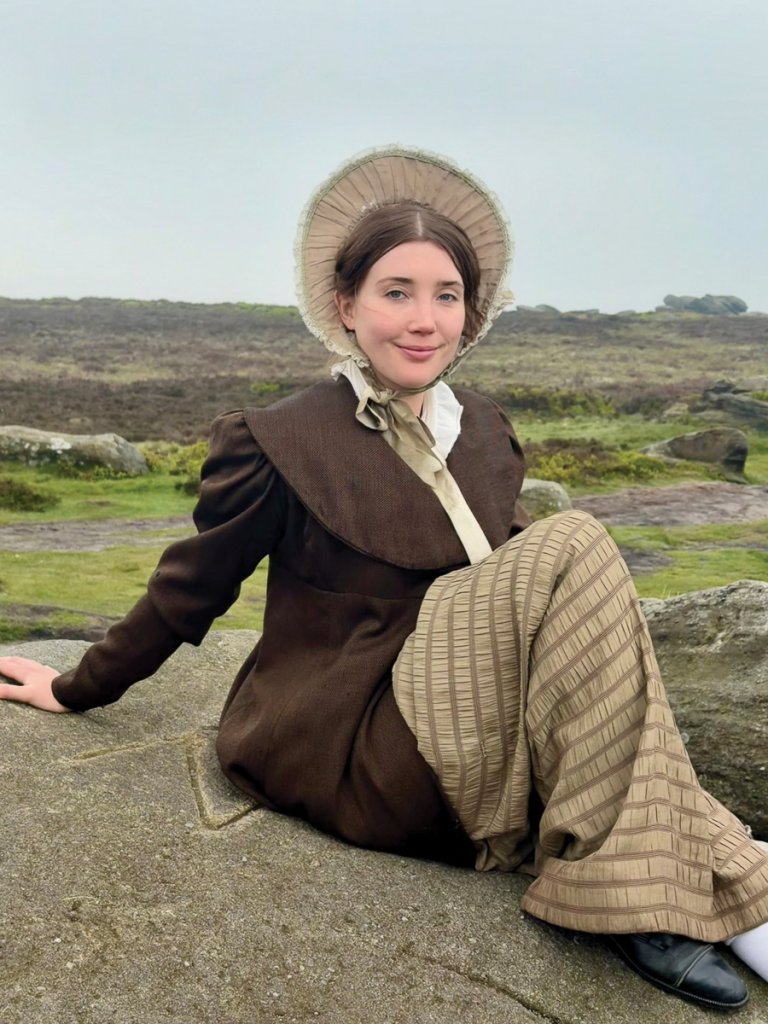
Faraday is played by Conor Sanchez – known for his role in last year’s hit BBC mini-series, Mix Tape – while Gaia Wise, daughter of Emma Thompson and Greg Wise, plays Sarah.
Andrew Harrison is cast as Sir Humphry – inventor of the Davy Lamp which saved the lives of countless miners – with Rebecca Calder as Lady Jane.
Seasoned Scottish actor James Cosmo (Game of Thrones, Braveheart) plays the part of Storyteller in the film which is co-written by renowned scriptwriter, playwright and author Murray Watts and directed by multi award-winning Norman Stone.
Stone says: “Power and Glory is an emotional story, looking at the relationship of Sir Humphry Davy and his wife, Lady Jane, and their relationship with Faraday, who’d just got married to a very interesting and brilliant wife. It’s a story with real heart.”
Faraday grew up in poverty in London and received little formal schooling before a teenage apprenticeship with a bookbinder introduced him to scientific texts – and sparked his interest in physics and chemistry.
He educated himself in his spare time and was taken on as an assistant by Sir Humphry Davy – the foremost chemist at the time – after attending lectures by him at the Royal Institution.
In the film, a Dark Peak landscape will be transformed into Mount Vesuvius – which Faraday visited with Davy during a European tour – while other scenes were also shot at the location.
The ‘Continental Tour’ of Europe from 1813-15 acted as Faraday’s scientific education, taking the place of a university experience and he immersed himself in observing natural phenomena and conducting scientific experiments on geology and gases.
The tour included visits to Vesuvius and observation of the active volcano. The film’s Vesuvius scene marks a significant moment for Faraday in his progression from protege to pioneering scientist – and eventual conflict with Davy.
Harrison explains: “Davy’s wife, Lady Jane, was jealous of Faraday’s ambition and talent. She was also jealous of the friendship between Davy and Faraday and wanted to end it.
“The two couples and the development of their relationships – and the tensions within them – are as critical to the unfolding of the story as the scientific breakthroughs.”
“Faraday said: ‘I can’t afford to get rich’. It was not about money for him – it was about finding things that would help people and increase our knowledge.”
Despite his success, Faraday continued to live modestly, eschewing the riches his work could have earned him. He chose not to patent his discoveries, instead prioritising science and public service over financial gain.
Stone reveals: “Faraday said: ‘I can’t afford to get rich’. It was not about money for him – it was about finding things that would help people and increase our knowledge.”
He adds: “This is a story about real people. The relationship between Davy and his wife and this young man, who should never have got anywhere but was a genius. It’s the characters that move me. Their relationships bring extraordinary twists to the story.”
Power and Glory was filmed over 15 days at locations including Wentworth Woodhouse, Abbeydale Industrial Hamlet and the Peak District.
Revenue from filming projects helps to look after locations, such as the National Park’s landscapes.
Tom Marshall, of Peaky Finders Locations, worked with the Power and Glory production team to find a suitable filming location in the Peak District and secure permissions. He says: “In a time when budgets for some landowners like our larger charities and even the National Park itself are feeling the squeeze of outside factors, this revenue is vital to help maintain the same places that people see on screen, but always with the landscape, wildlife and people’s enjoyment coming first.”
Power and Glory will be released in cinemas in early 2027.
Pictures by Fiona Stubbs