
As Derbyshire Wildlife Trust embarks on its ambitious Wilder 2030 strategy, Steve Brown discovers why restoring nature means creating a healthier future for people as well as wildlife
“Nature is critical infrastructure”.
It’s a striking statement and one which is now reflected in the aims and objectives of the Derbyshire Wildlife Trust (DWT), a charity which historically looked after a number of small nature reserves in the county but now has set out a bold vision for a wilder Derbyshire as a place where people and wildlife thrive together.
DWT aims to inspire and enable bold, transformative action, where everyone plays their part to make it happen. This aligns with much that is already known, or beginning to be understood, about nature and our need for it as the human race.
Nature supports everything: the air that we breathe, the water that we drink, the food that we grow and produce from the soil – and our own mental health and wellbeing needs to be closer to the natural world that we live in and share with all other living things.
However, we are now at a crossroads with nature and the need for us to take transformative action is more acute than ever. As with everything in our present lives, a measure needs to be taken of how valuable nature is to us all.
At a time of dwindling central resourcing for bodies such as national parks and local authorities who have often been at the forefront of nature conservation, the figures produced by environmental consultants for the County Council’s Derbyshire Natural Capital Strategy are startling…the ‘natural capital assets’ of Derbyshire – our environmental resources – provide us with £2.6 billion worth of goods and benefits every year. This includes carbon capture, clean water, clean air, healthy soils and recreation, but perhaps more surprising is contributing £86m per year to the physical health and wellbeing of the population.
We now know that we need the wildness of nature and its supporters more than ever, yet nature is struggling in Derbyshire with habitat loss, unsustainable land use, and climate change. But there is hope.
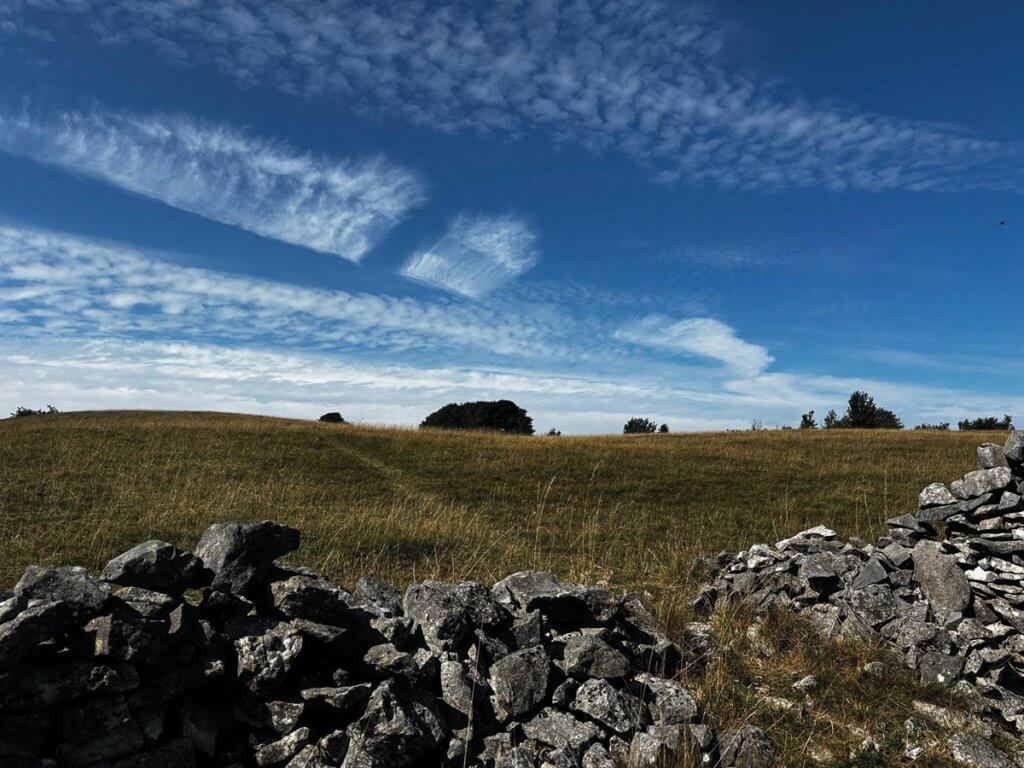
Across Derbyshire, people are working together to reconnect habitats and drive people-centred, collaborative landscape-scale recovery. To support this, the Derbyshire Wildlife Trust has launched its Wilder 2030 strategy to share its bold and ambitious plans to restore more natural areas – bigger, better, more and more joined-up – to create a resilient future for people and wildlife.
Derbyshire Wildlife Trust is one of the 46 local wildlife trusts around the UK working to restore nature. It was founded in 1962 as the Derbyshire Naturalists Trust by concerned people in response to environmental threats to the local countryside. By 1967 DNT had established two reserves. Rebranded as the Derbyshire Wildlife Trust in 1986, it now manages more than 50 nature reserves, throughout the county, of varying sizes and habitat types of which 16 are Sites of Special Scientific Interest (SSSIs).
As the Trust continued to grow – and following the Lawton Review in 2010 – DWT, like other Wildlife Trusts, shifted towards nature recovery as much as conservation, seeing a need to join up its reserves and mobilise support for nature from surrounding landowners.
The Trust now has more than 16,000 members, together with a large and growing volunteer base, and over the years has expanded its portfolio to ensure the creation of more nature-rich and accessible wild spaces, to create inclusive and accessible volunteering and skill sharing opportunities and ensure that everyone can connect with nature in their neighbourhood by supporting creative community-led solutions.
It now also provides ecological surveys, advice and data to landowners and organisations including Derbyshire County Council. DWT is currently working on many large nature recovery projects, restoring species, habitats and bringing people from all walks of life closer to nature.
It also hosts the Derbyshire Biological Records Centre which collects and combines vital data on species across the county – from protected wildlife to priority habitats. Every record/sighting matters, because if it isn’t counted, it won’t count!
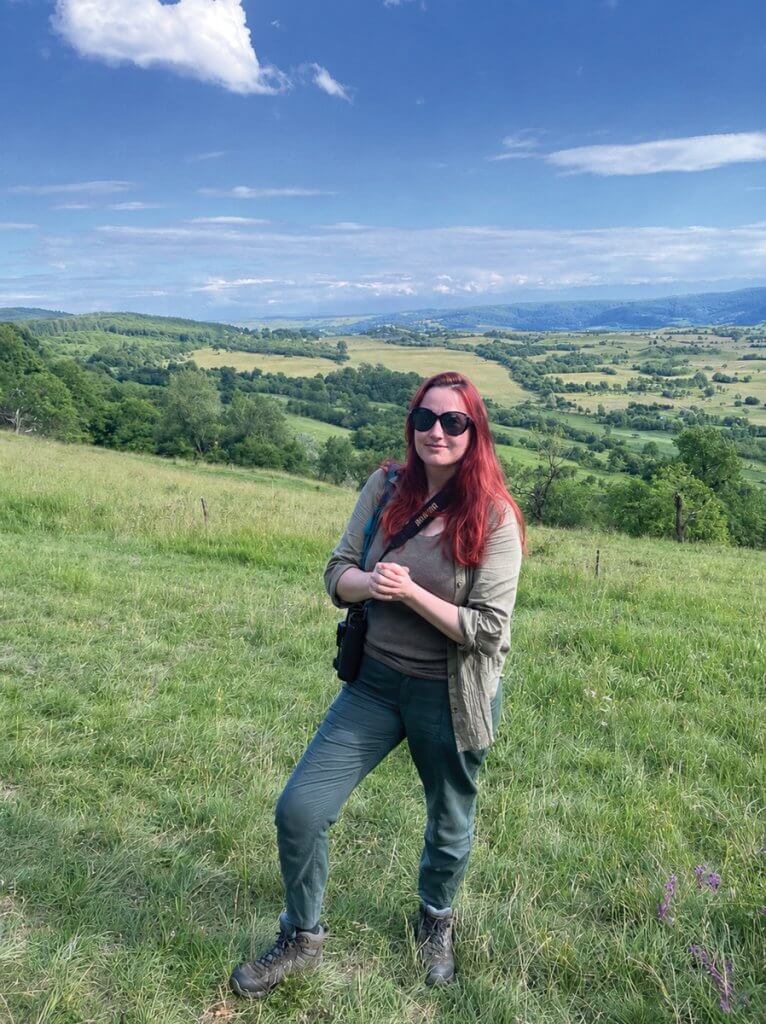
Part of the team behind DWT’s Wilder 2030 strategy is Rachel Bennett, Director of Wilder Landscapes and Communities. I was fortunate to meet her at DWT’s head offices in Middleton to learn more about the Trust and how it intends to deliver on its vision for Derbyshire nature and wildlife by 2030.
Hailing from Saddleworth, near Oldham, Rachel recalls being inspired by childhood visits to the Pennine countryside on her doorstep and this led to education in and subsequently a career within countryside management in Stockport, The Eastern Moors Partnership and latterly the National Trust before she joined DWT. As well as her work with DWT, Rachel is also a Board Member of the Peak District National Park so can bring her expertise and knowledge to this important body.
She is at the forefront of the Wilder 2030 strategy, where the ambition is to rewild 100,000 acres of land and water by 2030. She describes this as enabling natural processes to restore landscapes where people live and which are currently nature depleted.
This can be as small scale as gardens or even window boxes; as large scale as the recent purchase of Middleton Moor near Wirksworth which joins up several smaller reserves or as urban as Allestree Park in Derby, where the local people can lead nature’s recovery themselves. Rachel believes that nature experiences are transformative and we need these for everyone!
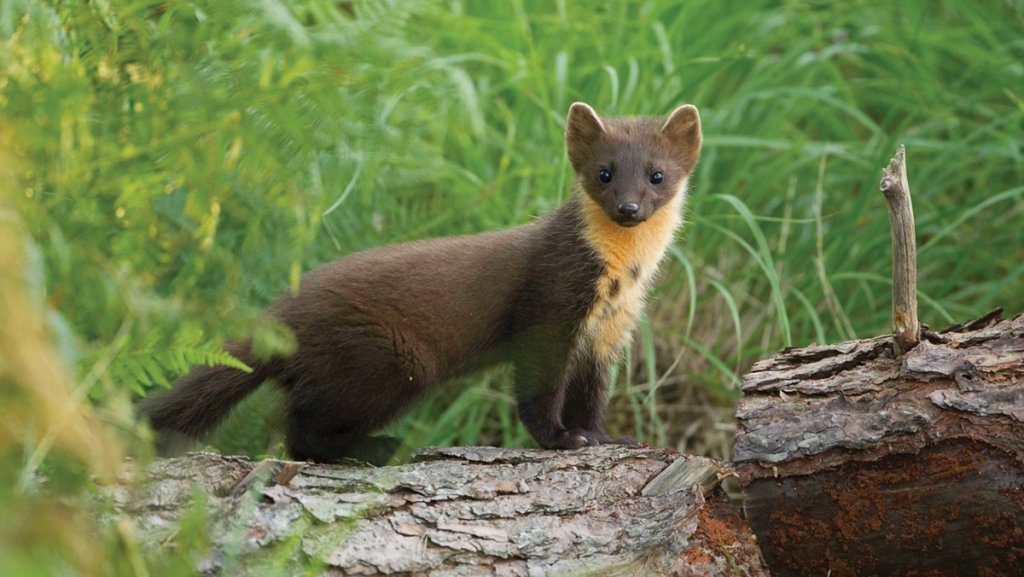
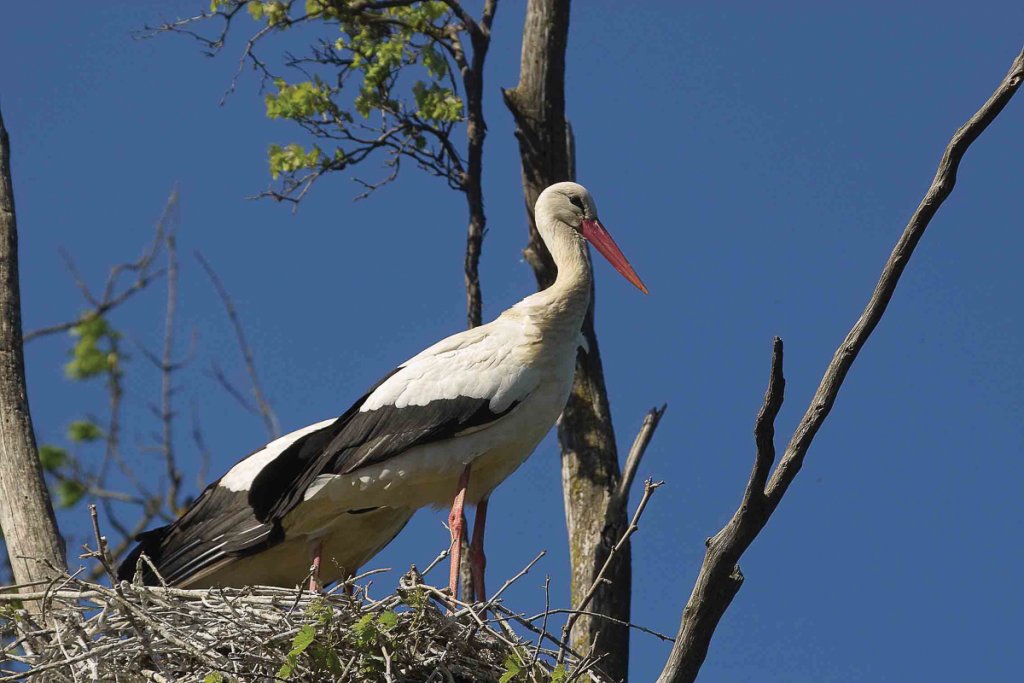
DWT’s ambitious aims are actually perfectly in line with legally binding UK national targets whereby 30% of land and sea area should be protected and conserved for biodiversity and conservation by 2030. In Derbyshire, this translates into DWT’s aim of rewilding 100,000 acres of land and water, supporting 250 communities to lead nature recovery in their neighbourhoods, reintroducing iconic former Derbyshire species such as Pine Marten, Black Grouse and White Stork and growing a greener, fairer economy with people, wildlife and climate at its heart.
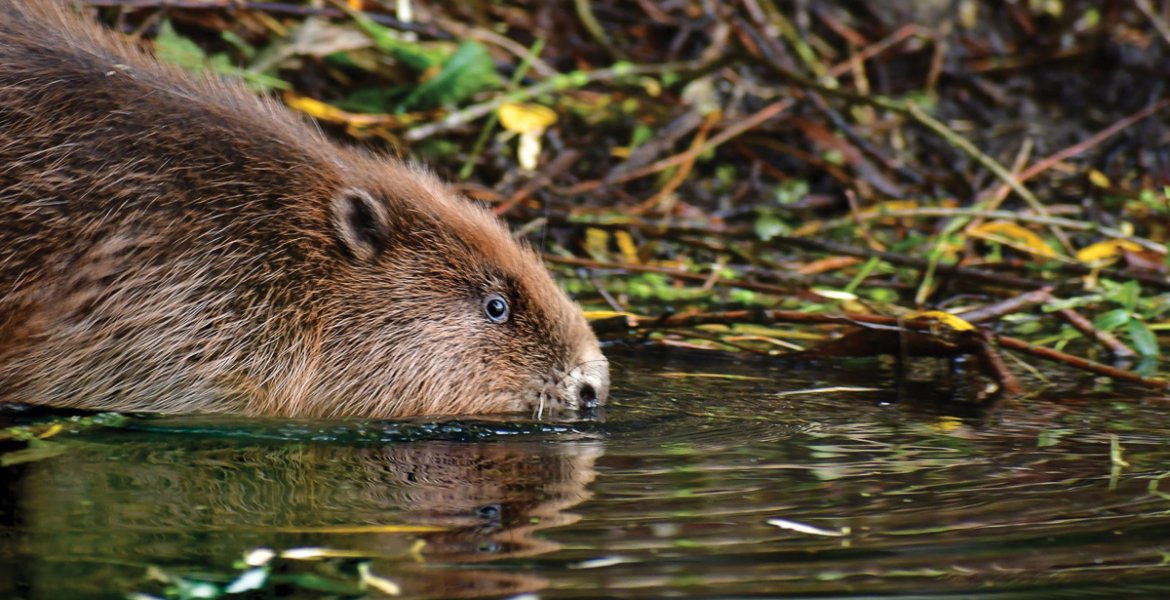
DWT has been responsible for the reintroduction of beavers to the Derbyshire landscape at Willington Wetlands; this isn’t just a gimmick but an example of how the return of a native species can help with such issues as natural flood management, biodiversity and improving water quality.
Rachel describes four priority landscape programmes within Derbyshire where DWT is building relationships with landowners and public businesses as well as connecting the latter with community groups. While it’s ultimately up to the landowners whether they support rewilding, DWT can offer advice and even facilitate activities to help nature’s recovery gather pace. And there are many examples where this is working.
Despite the doom and gloom that we might feel about the current state of nature in our county we can be thankful that people like Rachel Bennett and DWT’s many members and supporters are optimistic about the future and driving change and recovery forward so that more and more people can begin to and continue to have joy in nature.
We all need, as early social reformer Octavia Hill described, “the life-enhancing virtues of pure earth, clean air and blue sky” and we should wish Derbyshire Wildlife Trust well in their vision for a wilder by nature county by 2030.