
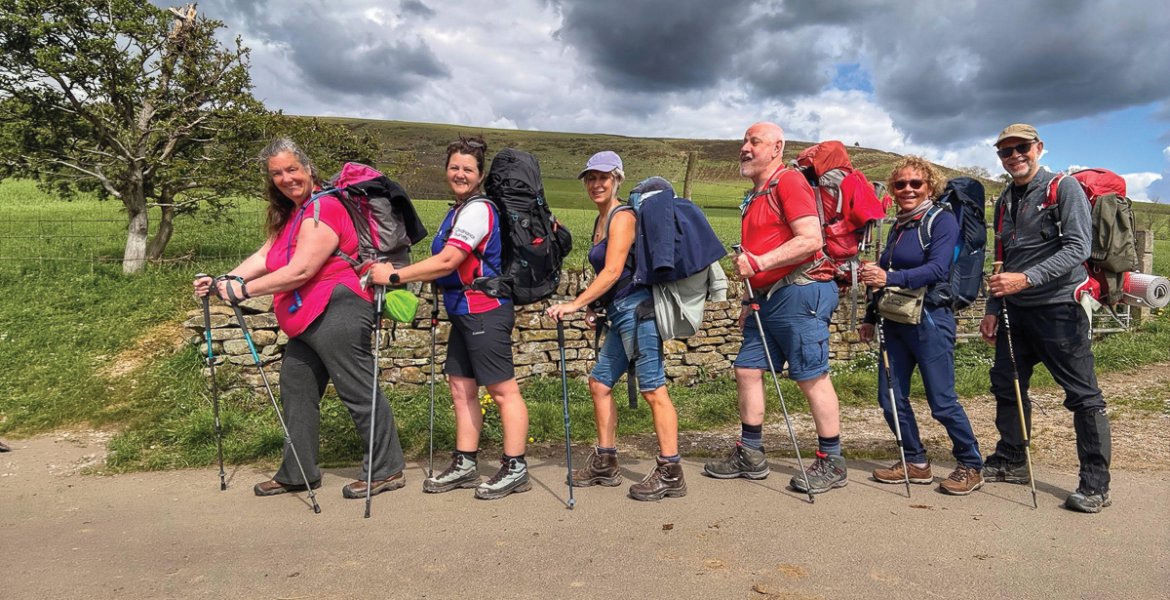
Pilgrimages are becoming increasingly popular, serving both spiritual and secular intentions. But where does one begin and where does it end? Hanna Varga introduces the Peak Wesley Way pilgrimage
Does it begin when you book the journey?
Does it begin with the careful preparation of what to take with you in your backpack and which hiking boots to choose?
Or does it begin when you take the first physical step on the trail, moving forward towards the destination slowly, one step at a time.
In this article I hope to inspire and introduce you to the enlivening experience a pilgrimage can offer. There are many pilgrimages to choose from across the world, and even within the UK.
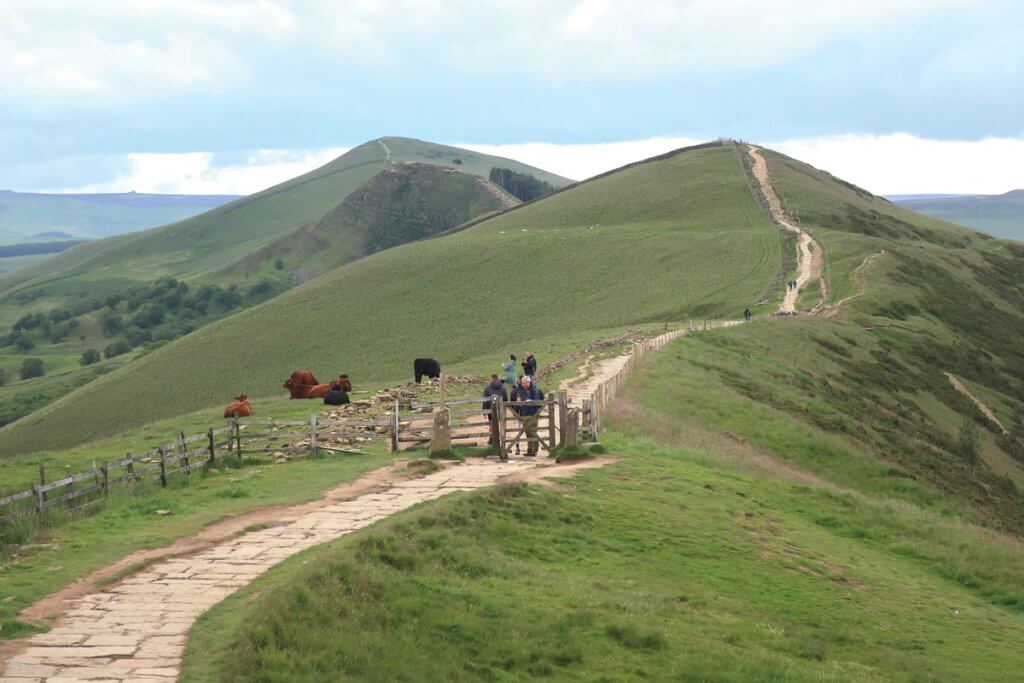
This one – the Peak Wesley Way – is a modest six-day route in the Peak District National Park, taking you across breathtaking landscapes from the White Peak to the Dark Peak.
Pilgrims are encouraged to reach their official starting point in Matlock, Derbyshire by train in order to reduce their carbon footprint, thereby offering an environmentally conscious holiday option, much welcomed by the residents of the Peak District. The self-guided and well-signposted route begins straight after you step off the train on the platform.
Some of you reading this may ask how exactly a pilgrimage differs from a long-distance hike. At a time when ‘hiking trends’ are thriving on Instagram, some may think pilgrimage is an obsolete, ancient practice that is no longer relevant today, except for the religious among us, such as Dame Sarah Mullaly, who earlier this year walked a new six-day pilgrimage route from St Paul’s Cathedral, London to Canterbury Cathedral, leading up to her installation as the new Archbishop of Canterbury.
Yet, far from outdated, pilgrimage has undergone a revival in recent years as pilgrims, whether religious or secular, step away from their daily routines to embark on an intentional journey of reflection, discovery and transformation.
The Peak Wesley Way welcomes pilgrims of all faiths and none, true to the values of Methodism as an inclusive church with a long history of being an advocate for social justice – and challenging injustice.
It is an initiative that was made possible thanks to those who care about the future of rural Methodist chapels, while recognising that their chapels have a new mission and a story to tell. The chapels are offered as accommodation to pilgrims while still being used as active places of worship and community use, such as for uniformed organisations, repair cafés, art exhibitions, concerts, bookshops and local clubs.
Whichever way it begins…
Does it end when you take the last steps on a trail you walked?
Does it end when you collect your last stamp at Edale Chapel?
The Peak Wesley Way ends in Edale after six days of walking from the gentle White Peak, through picturesque dales and rolling hills, northwards to the more rugged Dark Peak with its famous Edges.
The stunning scenery still bears the marks of generations of farmers, miners, industrialists and travellers, including those preachers who made extraordinary journeys on horseback or on foot, bringing their good news and founding the Methodist chapels.
Earlier this year, the Peak Wesley Way welcomed its 200th pilgrim, two years after opening the pilgrimage route and offering its chapels as overnight accommodation to pilgrims.
Does it end when you arrive back home, unpack, and wash your weathered pilgrim clothes?
Or does it end when you begin to reflect on the slow journey on foot you undertook and start integrating the learning gained from the experiences along the way?
Does it end when you read your journal, or do you collect your experiences and write a book, opening a new chapter in your life?
I conclude with a reminder of how any pilgrimage or walk you choose to go on is connected to the journey of a human life, through the words of Archbishop Sarah after she reached Canterbury Cathedral: “Each of us has our own story, but we are also part of bigger stories.”
• Pilgrim bookings on the Peak Wesley Way for 2026 are open until the end of October, or you can book ahead for 2027. The pilgrimage is available to walk all year round, but some chapels are not available for accommodation during the winter months (November to February). Learn more at: peakwesleyway.com