

A deeply personal experience of dementia inspired Annie Howe to write a practical and compassionate guide for anyone navigating the often bewildering journey of caring for someone they love.
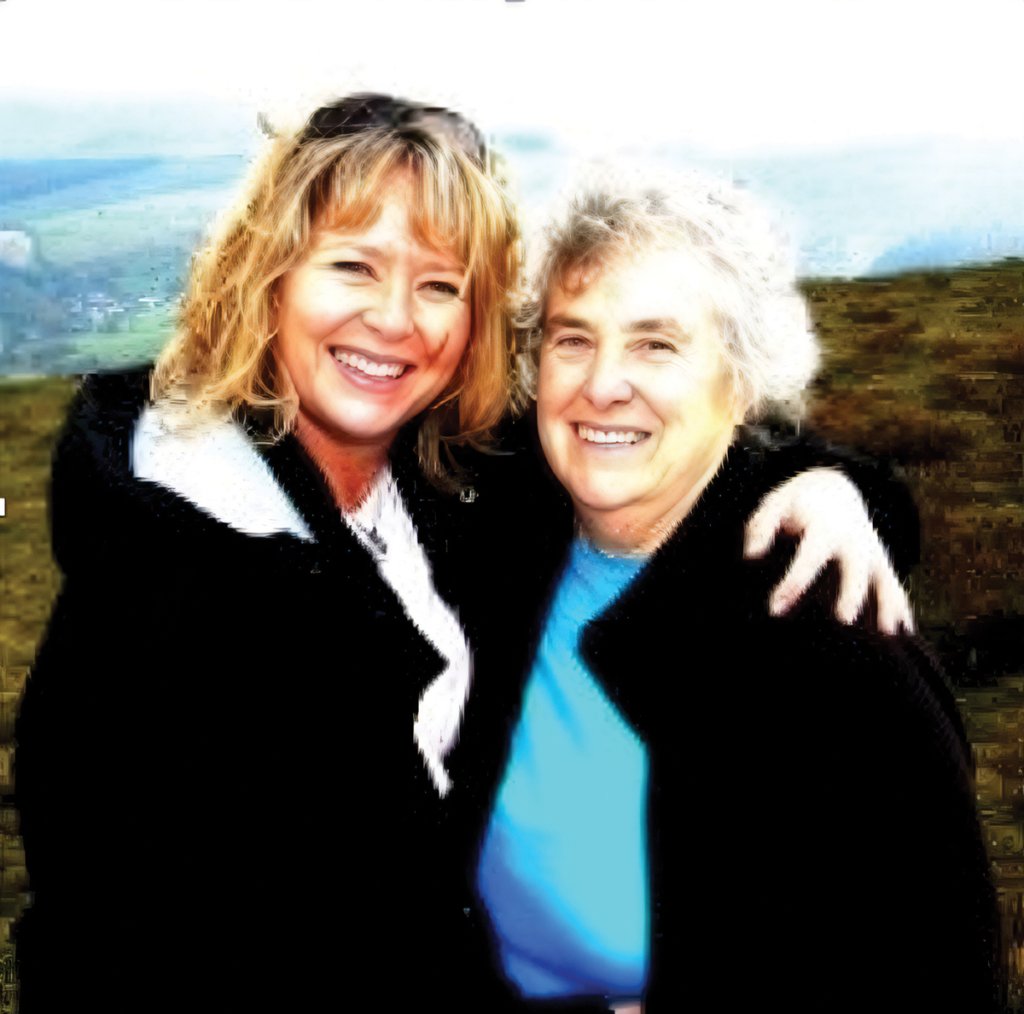
Few experiences in life are as difficult as watching someone you love gradually become less able to care for themselves. For Annie, that experience was not something she encountered from a distance. It was her mother.
Annie’s journey into dementia began with something that, initially, was difficult to distinguish from grief. Following the deaths of her father and sister within just three weeks of each other, her mother was living alone in the North. Changes in her behaviour were initially attributed to the confusion and emotional turmoil that followed such devastating loss. Gradually, however, Annie and her sister realised that something else was happening.
It would take four years from the first awareness that something was wrong to her mother receiving a diagnosis of Alzheimer’s. In the meantime, Annie had left teaching and subsequently found work as a community reablement carer. It was through her training and experience in that role that she began to recognise the signs of dementia in her own mother.
What followed was a deeply personal journey through diagnosis, care, independence, residential living and, ultimately, the gradual loss of the woman she had known.
Annie’s mother initially moved into semi-independent accommodation before later being placed in a secure care home. She was moved between several homes before finally finding somewhere she could settle. Annie adapted her work so she could stay close to her, eventually working in care homes providing art and wellbeing activities. At one point, visiting her mother meant making a two-hour round trip twice a week.
It was an experience Annie describes as an emotional rollercoaster – and one for which she admits she was not prepared.That experience is at the heart of Dementia: When the Cared For Becomes the Cares For.
Published in 2026, the book combines Annie’s personal experiences with more than 13 years of knowledge gained through supporting people living with dementia and studying dementia care. Rather than attempting to offer a definitive pathway through the condition, Annie acknowledges one of the most important realities of dementia: no two dementias are the same.
The result is a book that sits somewhere between personal memoir, practical guide and compassionate handbook.
The book explains what dementia is, explores different types and their symptoms, and looks at the ways the condition can affect memory, communication, behaviour and independence. But perhaps more importantly, she examines the person behind the diagnosis.
A substantial part of the book is devoted to person-centred care – understanding an individual’s history, personality, preferences, routines and ways of communicating, and recognising that these things remain important even as dementia progresses. Annie draws repeatedly on her own experiences with her mother, illustrating how seemingly small things – a familiar activity, a favourite routine, a walk outdoors, a photograph or simply being given time – can make a profound difference.
Her approach is rooted in dignity and inclusion. She argues for focusing on the abilities a person still possesses, rather than simply what they have lost. Allowing someone to make choices, participate in everyday life and complete tasks at their own pace can help preserve confidence, self-worth and a sense of purpose.
Because Annie has experienced dementia from both sides – as a daughter and advocate, and as someone who has worked professionally in care – the book also explores the realities faced by those providing that care. There is advice on communication, behaviour, working with professionals, seeking outside support and, importantly, looking after yourself as a carer.That last point is particularly important.
Annie openly acknowledges the emotional burden of becoming the person responsible for someone who once cared for you. “The person you relied on becomes someone who relies on you,” she writes, describing the experience as an emotional rollercoaster and urging carers to make time for themselves.
This is not simply a clinical guide, nor is it solely a daughter’s memoir. It attempts to take difficult and sometimes painful personal experiences and turn them into something that might help the next person facing the same journey.
The book’s dedication makes that intention clear. Annie dedicates it to “anyone experiencing the long goodbye of dementia”, with the hope that it can help them navigate their way through it.
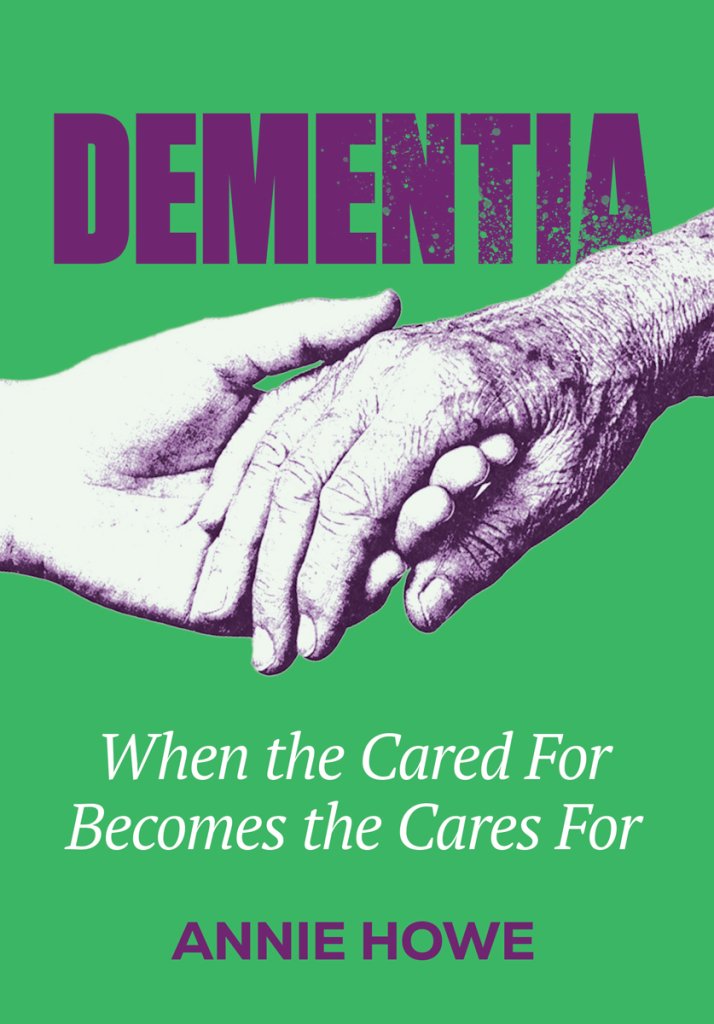
Ultimately, When the Cared For Becomes the Cares For is a book about dementia, but it is also about love, responsibility, identity and the enduring relationship between a mother and daughter. Its importance lies in Annie’s willingness to share what she learned – both professionally and personally – in the hope that others might feel a little less alone, a little more informed, and better equipped for the journey ahead.
This non-profit book is available from www.bannisterpublications.com, with all proceeds going to Ashgate Hospicecare.